Super Metroid Revisited: Does Map-Based Exploration Still Inspire?
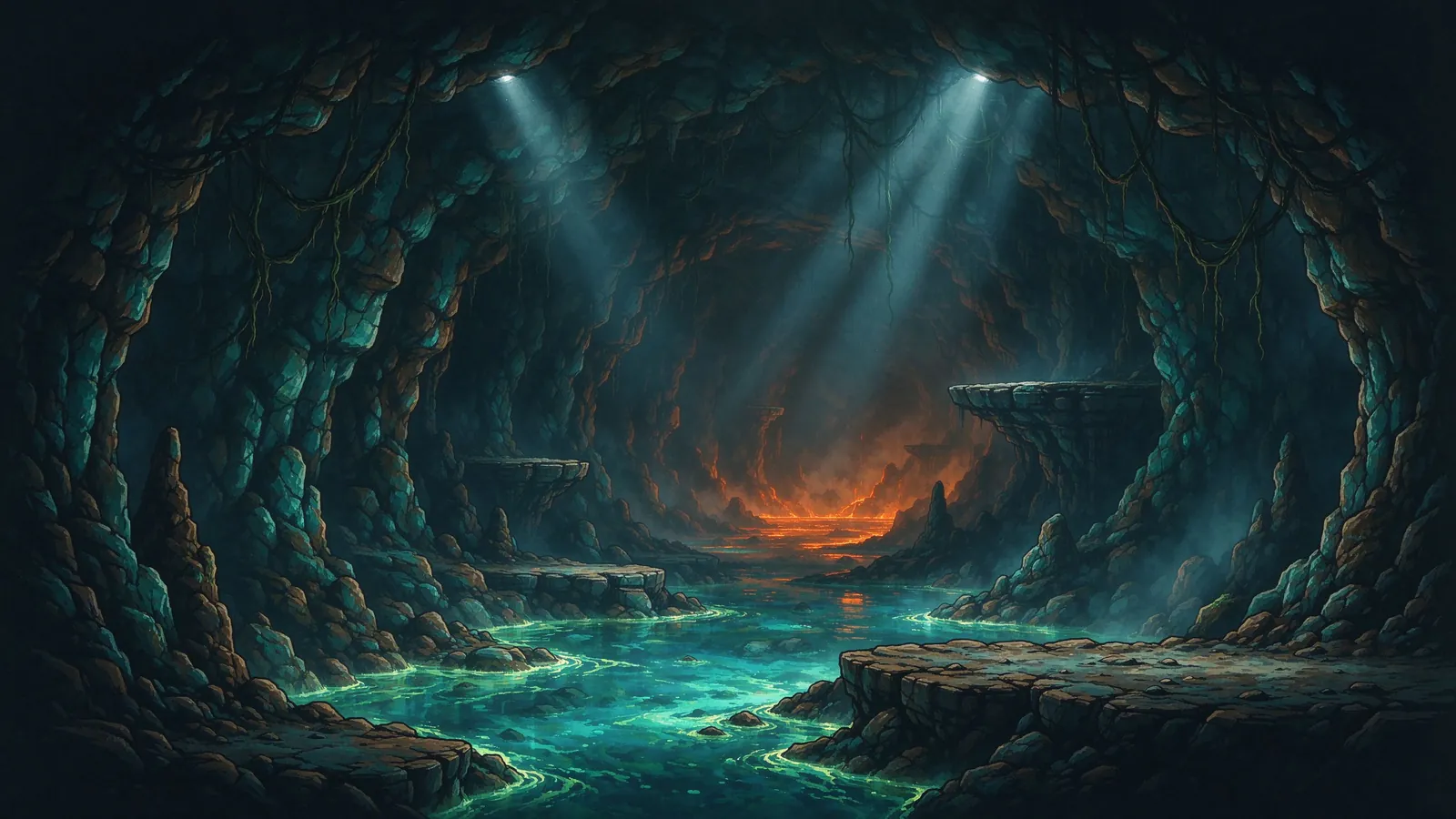
A Super Metroid review revisit for the SNES classic, looking at how its map-based exploration still inspires metroidvania design and what a modern playthrough reveals.
Super Metroid reached the SNES in 1994, following Samus Aran as she tracks a stolen baby Metroid back to the planet Zebes. Nintendo R&D1 refined the earlier NES and Game Boy entries with a sharper map system, a bigger arsenal and a darker atmosphere that gave exploration real weight. This revisit grades what the game contributed to map-based adventure design, how its movement tricks and boss fights play today, and where the limits of 16-bit hardware show through on a fresh run.
What the 1994 game put in motion
Metroid II: Return of Samus (1991, Game Boy) already let players choose which Metroids to clear and tracked zones with a basic map, but the SNES release refined nearly every habit expected from the genre. The map screen fills in rooms as Samus enters them, doors light up once opened, and tile patterns mark elevators, save rooms and recharge stations. Upgrades such as missiles, bombs, the varia suit, speed booster and grapple beam gate progress in both directions, each opening branches that loop back to earlier rooms. The loop of walk, spot a barrier, mark it, backtrack later, return with the right tool became the foundation for later exploration-driven titles, which still borrow opaque rooms, shortcuts and expanding hub connectivity.
Exploration rhythm on a modern playthrough
Zebes breaks into recognizable zones such as Brinstar, Norfair, Maridia and Tourian, each with its own palette, enemy roster and room geometry. Early shapes teach where the player still lacks a move: a tall shaft, a block that only super missiles break, heat water that needs protection, a gap requiring space jump. Backtracking rarely feels like filler because each return trip adds a movement trick that rewrites the map. Bosses test patterns over raw firepower: Kraid and Phantoon reward spacing, Crocomire punishes rushing, and Mother Brain pairs a long duel with the escape timer most players remember. The soundtrack shifts by zone, with low hums in caverns and brighter motifs in safer rooms. The catalog of classic SNES games worth revisiting places this title near the action-adventure top, while the SNES RPG shortlist shows the same era’s exploration-meets-story mix.
Design ideas that outlasted the graphics
Hand-drawn map logic, environmental storytelling through idle creatures and background detail, secret walls worth testing, and zone-specific music all became standard practice. The simple shot, run and aim layout let community players chain charged speed booster dashes, shinespark setups and crouch-turn diagonal shots into advanced movement, turning casual completions into challenge runs. Movement feels direct: smooth acceleration, short turns, physical jumps. Landing on a ledge after a long fall, hooking a chasm with the grapple beam, and opening a shortcut door that cuts a detour in half give a steady stream of small wins, which keeps the game appealing to players raised on three-dimensional action titles.
What feels dated today
Fast travel is limited, and long hallways must be crossed on foot once no nearby elevator remains. There are no objective markers or map pins, so players used to guided open worlds may want a physical notebook. Missile selection runs through a simple menu, and certain hidden items demand trial-and-error wall bombing that modern tutorials would spell out. Low-resolution rooms can blend together during a long backtrack, and enemy hit reactions are brief compared with later games. None of this breaks the design, but it changes expectations: set aside time for map reading, and expect a later entry to offer faster travel and clearer item descriptions.
Verdict: a landmark worth one careful run
Super Metroid remains an essential reference point for exploration game design rather than a polished modern action title. Come for the map logic, movement tricks and zone-by-zone atmosphere, accept the occasional long walk and the lack of hand-holding, and a patient replay still teaches lessons about pacing, secret placement and the feeling of an expanding world.