
Ecco the Dolphin Revisited: Genesis Air Meter and Sonar
Ecco the Dolphin revisited: a veteran player look at how the 1992 Genesis air meter, sonar call and bleak underwater tone hold up for returning players today.
Ecco the Dolphin revisited: a veteran player look at how the 1992 Genesis air meter, sonar call and bleak underwater tone hold up for returning players today.
best SNES Mode 7 games ranked by visual impact: F-Zero scales the road, Pilotwings sells a horizon and Super Mario Kart turns the effect into a weapon.
This guide to judge retro compilations covers builds, regions, saves, filters, rewind, input, languages, manuals, and online features before you buy.
To compare retro game ports fairly, record the exact build and region, then check timing, play area, audio and input before you call one version better.
Retro pause menu design turned a hardware halt into maps, inventories and status screens; here is what freezes, what keeps playing and why it matters.
Retro memory card culture grew from block limits: PlayStation saves were carried between consoles, copied by hand and deleted with real reluctance.
split screen retro racing demanded a hard trade: draw one scene twice, cut draw distance and shrink the HUD so two players could race on one console.
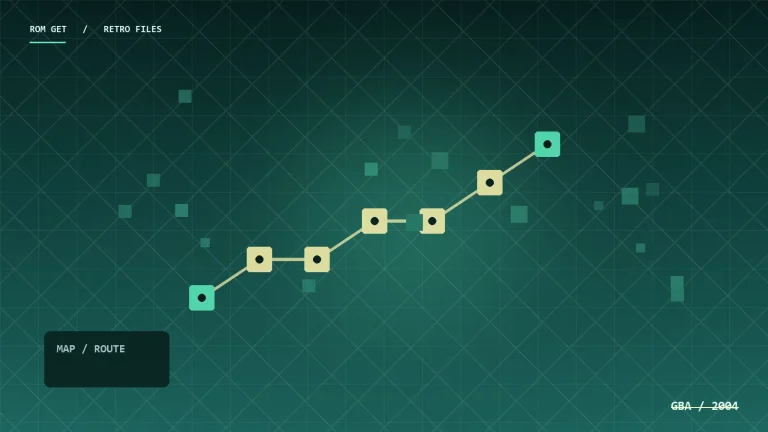
A Kirby and the Amazing Mirror revisited look at the 2004 GBA maze: four colored Kirbys, copy abilities, mirror shards and the cell phone in link play.
This ToeJam and Earl revisited look covers the 1991 Genesis original, its random floating floors, risky presents, and the messy co-op that rewards patience.
Donkey Kong Country 2 revisited shows how Rare turned pirate ships, swamps and mines into a secret-heavy platformer built around two playable Kongs.
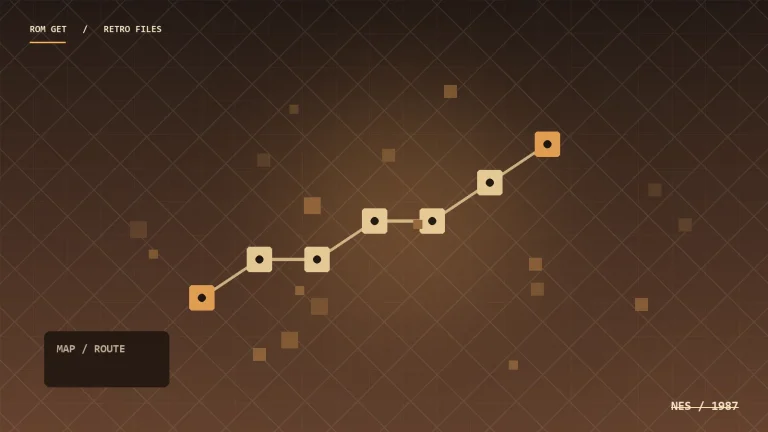
The Legend of Zelda NES revisited: how a grid of hidden caves, bombable walls and item-gated dungeons turned a 1987 cartridge into a map worth memorizing.
Retro game credits research: how to read end credits and manuals, mark uncertain roles and cross-check attributions against catalogs before you cite them.