
How to Emulate GBA Link Cable Multiplayer in Two Windows
GBA link cable emulation: two windows, separate save paths, matching game revisions and link settings, checked in a menu that sees a second console.
GBA link cable emulation: two windows, separate save paths, matching game revisions and link settings, checked in a menu that sees a second console.
Xbox emulation xemu setup: use your own console keys, a writable virtual drive and careful controller mapping to reliably boot personal disc backups.
FM Towns Marty emulation basics: a practical setup for your own discs, covering CUE/BIN and CHD images, CD audio, firmware, CMOS saves and input mapping.
TurboGrafx-16 emulation setup: a practical guide to HuCARD dumps you own, system cards, six-button mapping, region timing, sprite limits and save handling.
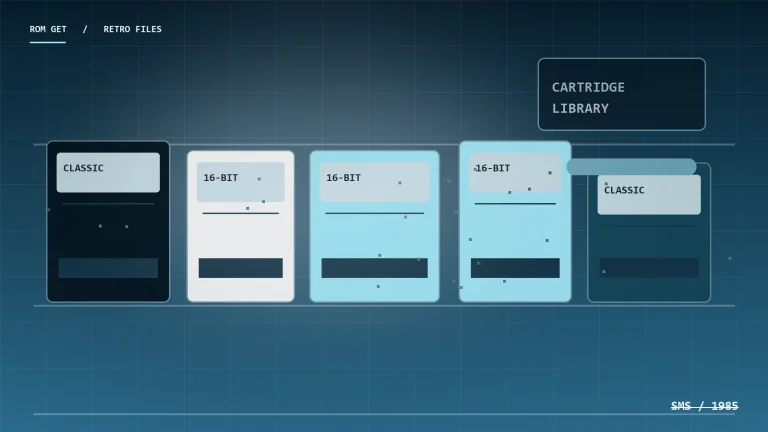
Master System emulation setup: dumping cartridges you own, matching NTSC or PAL timing, mapping two buttons and pause, and checking FM sound on a platformer.
Philips CD-i emulation setup: how to use discs you own, handle firmware from your own hardware, CUE BIN or CHD images and save RAM folders step by step.
Double Dragon arcade revisited: readable enemy tells, picked-up bats and a two-player cabinet still make this 1987 Technos brawler worth another careful run.
Final Fantasy Tactics Advance revisited: the 2003 GBA tactics RPG makes a judge and changing laws the real opponent on every short Ivalice mission.
Sonic Adventure revisited: six intersecting campaigns, four speed stages and a Chao loop that still makes the Dreamcast platformer worth replaying.
Grandia Saturn revisited: the IP gauge fills at its own pace for each hero, and combo timing in every battle rewards attention rather than fast button mashing.
Super Smash Bros. N64 revisited: percentage damage, four-player item chaos and short hop timing still make the 1999 HAL fighter a different kind of brawl.
Resident Evil 2 revisited: the zapping system, scarce ink ribbons and two trips through the Raccoon City station still make this 1998 horror feel sharp.