
How to Manage PS2 Memory Card Files in PCSX2
PS2 memory card files PCSX2: create and name cards, keep regions compatible, back up before formatting, and confirm saves appear in the game browser.
PS2 memory card files PCSX2: create and name cards, keep regions compatible, back up before formatting, and confirm saves appear in the game browser.
MAME DIP switches guide: match the ROM set, change difficulty or region one setting at a time, reset, and verify on the test screen before you trust a score.
Game Gear emulation setup, step by step: sort .gg from .sms files, handle compatibility mode and saves, map Start and button 2, then verify with a platformer.
Virtual Boy emulation setup: choose a core, map both d-pads, pick a viewing mode and keep sessions short for a comfortable 1995 red-screen revisit.
NEC PC-FX emulation setup: BIOS, cue and CHD images, CD audio, save RAM and a six-button controller mapped and verified with a boot test on a modern PC.
Neo Geo CD emulation setup: how to use discs you own, handle CUE/BIN or CHD images, keep CD audio, and verify saves with a two-player title on your own setup.
Atari 2600 emulation setup from cartridges you own: file names, bank switching, NTSC or PAL timing, paddle controls and a clean boot check, step by step.
WonderSwan emulation setup, step by step: pick a core, match your own cartridge dump, map A and B, rotate the screen and verify with a known game.
Shining Force III revisited: how Synbios, Medion and Julian see the same civil war, and why its grid battles and promotions still read clearly on emulation.
Mega Man 3 revisited: an eight-boss opening, Rush Jet and a two-chain weakness puzzle that still rewards a careful stage order on the original NES cartridge.
Separate map screens retro games use a board to plan travel without ever leaving play, from Super Mario Bros. 3 style maps to compact handheld views.
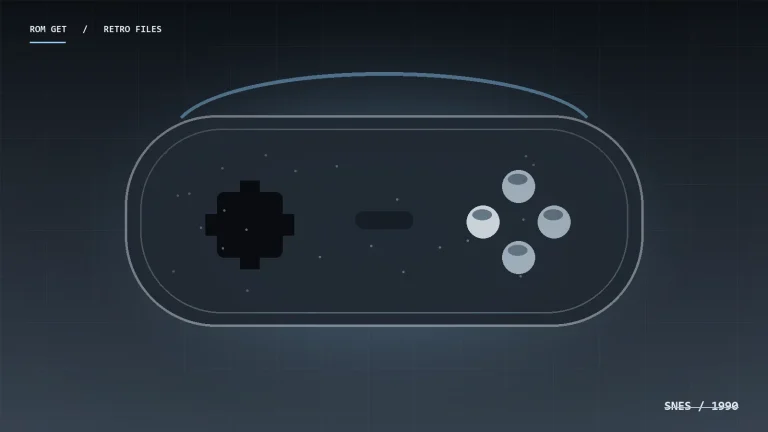
This four face buttons console history compares NES, Genesis and SNES pads, and explains why jump, attack, run and item settled into four buttons.