Why Retro Game Preservation Matters: From Cartridges to ROM Archives
Every cartridge has a shelf life. Preservation is how games outlive the hardware they shipped on, and it starts with ordinary players keeping backups.
Retro games feel timeless on a screen, but the physical media behind them does not age gracefully. Cartridge batteries run flat, plastic shells crack, disc surfaces suffer laser rot, and company libraries change owners several times over a few decades. Preservation describes the work of keeping games playable for people who never owned an original console, and emulation plus organized archives are central tools in that effort. This piece explains what actually fades, what communities do about it, and what a hobbyist player can do at home without crossing copyright lines.
How old games break down
Cartridge battery saves usually rely on a small coin cell soldered inside the board. After ten to thirty years, the charge drops and save data vanishes even if the game still boots. Physical connectors oxidize after long storage, causing glitches that look like ROM corruption before cleaning helps. Optical media on CD and DVD titles suffers silver-layer degradation called laser rot, where data becomes unrecoverable despite a clean-looking disc. Console hardware itself develops failing capacitors, worn ports, and aging lasers, making repair an ongoing skill rather than a one-time fix. None of these problems heal themselves; each one pushes titles toward the “unplayable” column if copies are not digitized early.
What dumping means, and why it matters
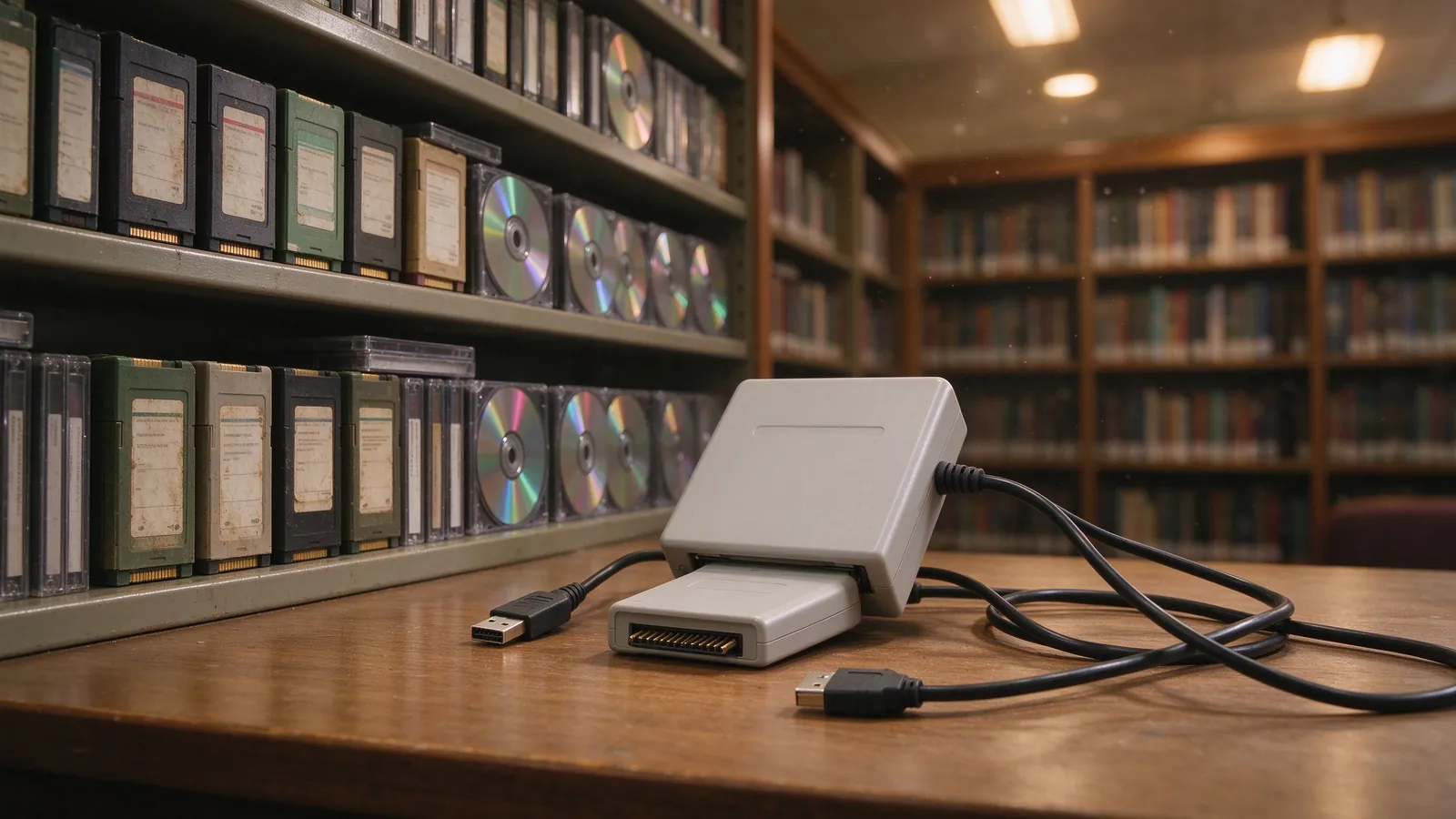
Dumping is the process of reading a cartridge or disc bit by bit into a file on a computer using specialized adapters or modified hardware. The result is a byte-perfect digital image that can be verified against checksums shared by preservation groups. Good dumps match known hashes, which protects the community from bad rips, modified code, or translation hacks being mistaken for originals. Emulators then run these images on any compatible computer, decoupling play from the lifetime of a specific device. Homebrew and public-domain titles can be shared freely; commercial titles should be retained as personal backups of games you legally own, while downloadable official rereleases remain the safe public distribution channel.
What communities archive beyond the ROM file
Preservation projects do not stop at software images. They catalog peripheral firmware, manual scans, controller layouts, promotional artwork, box labels, magazine reviews, and even factory revision notes. Region differences matter too: a European release can alter pacing, censorship, bugs, and soundtrack equalization, so collectors keep the same game across regions rather than choosing one “best” version. Frontend databases tag hardware family, publisher, year, genre, languages, and clone relationships, which lets a researcher trace how a title ported from arcades to home systems.
What players can do at home
Start with a personal inventory: photograph cartridges and discs, record serial numbers, and list titles by system. Dump your own library if you own compatible hardware, and keep multiple backups on different drives rather than a single folder. Use emulators to verify each dump boots cleanly and reach a title screen. Label save files clearly so a lost battery never equals lost progress. For commercial games you no longer own, prefer official rereleases, digital storefronts, or subscription catalogs where available; emulation fills the gaps where publishers abandoned a platform.
Emulation as a preservation tool
Emulators translate hardware behavior into software that keeps improving with each core release. Accuracy-focused projects chase exact timing so old games behave as they did under original chipsets, while frontend collections organize titles into browsable libraries with covers, descriptions, and controller maps. This ecosystem lets younger players encounter obscure titles that never received remasters, and lets long-time fans replay moments without chasing rising auction prices. The tool does not replace physical collecting; it preserves access when hardware fails and companies move on.
The honest boundary
Copyright law varies by country, and downloading commercial ROMs you did not personally own or legally acquire carries risk regardless of fan arguments about abandonment. A responsible hobby keeps personal backups of owned media, supports official rereleases when they appear, and treats archive communities as research tools rather than download libraries. In return, the classics keep working, the manuals survive as scans, and the hobby grows with new players who learn why these games mattered in the first place.