10 Classic Sega Saturn Games Worth Tracking Down
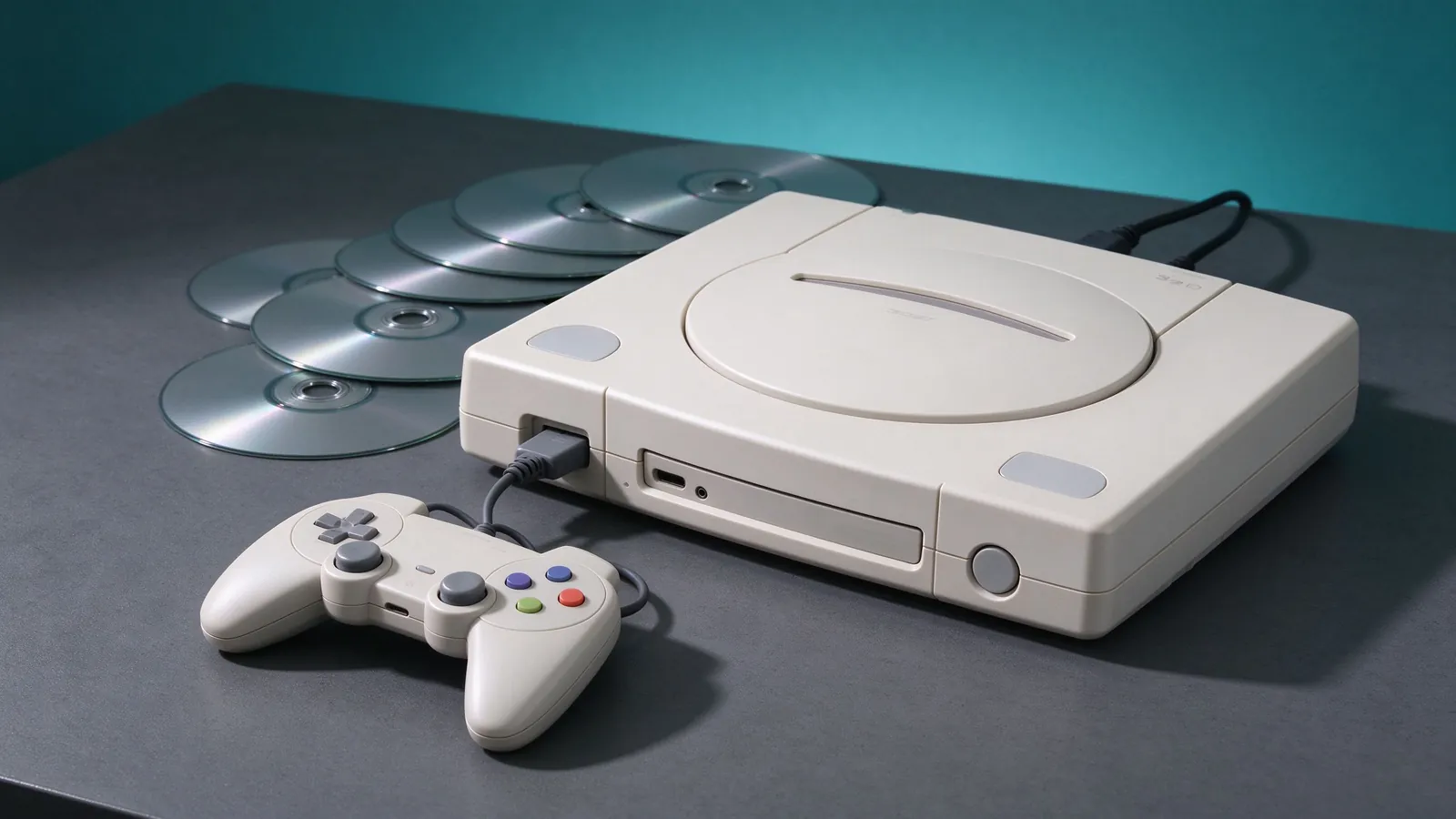
The Sega Saturn lost the 32-bit sales war but kept a strange, deep library of shooters, fighters and RPGs that emulators finally make easy to collect.
The Sega Saturn launched in 1994 with a rushed surprise release and a dual-CPU architecture that was awkward to program for. It never matched the PlayStation’s commercial pull in the West, and many of its best games stayed Japan-only or arrived late with tiny print runs. That history makes the library a collector’s puzzle on real hardware, but emulation has evened the field: discs load fast, translations are available for some exclusives, and pad mapping removes the original controller’s quirks. Below are ten Saturn classics worth tracking down, grouped by the genres the console did best.
3D shooters and flying fantasy
1. Panzer Dragoon (1995). An on-rails dragon shooter set in a ruined post-apocalyptic world, with a lock-on targeting system and a moody orchestral score. The seven levels move fast, the enemy designs are strange and memorable, and it set the tone for the whole series.
2. Panzer Dragoon Saga (1998, Japan). The rare RPG entry in the series, with turn-based battles on a time gauge, a flying dragon you customize, and a story that wraps the shooter world in character drama. It was never released in Europe or widely in North America, so it remains one of the most coveted Saturn discs; emulation keeps it playable without collector pricing.
3. NiGHTS into Dreams (1996). Sonic Team’s flying dream world used the analog Saturn pad for smooth flight through looping courses, score attack routes and surreal dream themes. The original controller is hard to find, but a modern analog stick on an emulator captures the feel well, and Christmas NiGHTS adds a seasonal demo disc worth trying.
4. Burning Rangers (1998, Japan). A first-person fire-fighting action game from Sonic Team, with extinguishing flames, rescuing civilians and a moody ambient soundtrack. The tank controls feel dated at first, but the level design and atmosphere make it a cult Saturn essential.
Fighters, racers and belt action
5. Virtua Fighter 2 (1995). The polygon fighter that defined 3D fighting on home consoles, with ten characters, real motion-captured moves and a simple but deep ring-out system. It still plays fast enough for casual matches, and it predates the endless roster bloat of later entries.
6. Guardian Heroes (1996). Treasure’s six-plane belt-scrolling brawler with RPG-style level ups, multiple routes and two-player co-op. You can switch between front and back planes to dodge enemies, and the sprite animation quality rivals arcade cabinets of the era.
7. Radiant Silvergun (1998, Japan). Treasure’s vertical shooter with a color-based weapon chain system and a story told across short mission scenes. It was a Saturn exclusive in Japan, later ported elsewhere, and its chain scoring still ranks among the most studied shooter systems ever made.
8. Daytona USA (1995). The home port of Sega’s Model 3 arcade racer, with three circuits, drifting traffic and a famously catchy theme tune. Frame drops and pop-up show the hardware’s limits, but the sense of speed and the arcade handling still deliver short, replayable races.
RPG depth and strategy standouts
9. Shining Force III (1997-1998, Japan). Three separate scenarios on grid battlefields, with tactical combat, overworld exploration and a large cast; only the first scenario saw an official English release. Emulator players can pair it with fan translations to follow the full trilogy, and the sprite battle animations remain charming.
10. Dragon Force (1996 Japan, 1998 North America). A strategy RPG where eight warlords fight over a fantasy kingdom, recruiting hundreds of officers and leading large field battles. The campaign structure mixes kingdom management with real-time skirmishes, and it stands out from the slower turn-based SRPGs of the era.
Playing Saturn discs on a modern setup
Saturn emulation has matured a lot on PC, with accuracy-focused cores handling most of the library and CD audio streaming cleanly. BIOS files, region settings and save RAM batteries are handled inside the emulator rather than on the disc, and fan translations turn several Japan-only exclusives into playable English campaigns. Pair the shooter list with our MAME arcade classics guide for the coin-op lineage behind many Saturn ports, and check our Sega Genesis classics list for the 16-bit side of the company history.