Best Dreamcast Games: 10 Cult Classics for Emulation
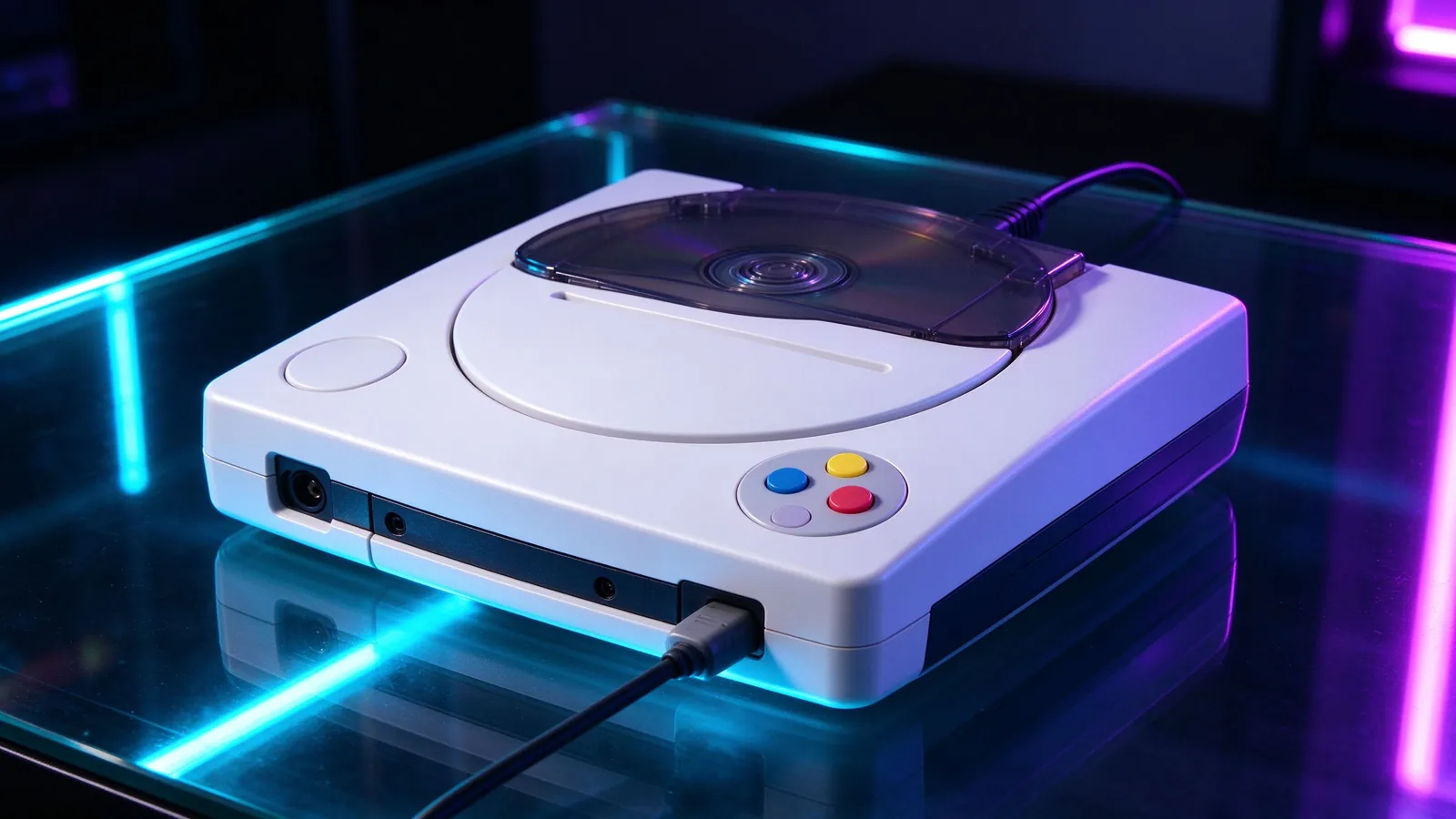
The Dreamcast lived only a few short years, but its cult library of arcade ports, online experiments and quirky exclusives still feels fresh on emulators today.
Sega’s final home console launched in Japan in 1998 and in North America in 1999, then was pulled off the market in 2001 before many Western players noticed it. The small catalog hides an unusual mix: arcade-perfect fighters, online RPG experiments, quirky Sonic spin-offs and games that pushed the console’s modest hardware in artistic directions. Emulators on PC and Android run GDIs and CHD images smoothly, save states cover the old VMU memory card hassle, and the missing manual pages no longer block you. These ten cult classics are the best place to start.
Arcade fighters and fast-paced action
1. Soulcalibur (1999). A near-perfect home port of the weapon-based fighting sequel, with eight-way movement, detailed character art and a mission mode that unlocked art and weapons. It looked like a generation ahead of the Dreamcast’s launch window, and the roster balance still holds up versus modern fighting games.
2. Marvel vs. Capcom 2 (2000). Three-on-three tag battles with a huge roster from both comic and game universes, air combos, hyper combos and a jazz soundtrack. The Dreamcast version was the console home of choice for years, and it remains the benchmark for chaotic tag-team fighting.
3. Power Stone (1999). Four-player arena brawling where fighters grab power stones and transform into super forms mid-match. Short rounds, colorful stages and item drops make it a great party pick, and its sequel expanded the cast without losing the pickup-and-play feel.
4. Crazy Taxi (2000). An arcade port where you race passengers to destinations through a sunny San Francisco-style city, drifting around corners and jumping ramps. The traffic logic is simple, the soundtrack is loud, and the five-minute fare chase stays addictive decades later.
Sega world-building and online experiments
5. Sonic Adventure (1998 Japan, 1999 North America). Sonic’s first fully 3D platformer, with six playable characters, open hub towns and fast speed stages. Camera issues and odd voice acting show the era, but the Emerald Coast and Speed Highway stages still deliver that blue blur momentum.
6. Shenmue (1999 Japan, 2000 North America). Yu Suzuki’s open-world detective story set in 1980s Yokosuka, with QTE fights, vending machines, capsule toys and a day-night clock. The slow mundane details were mocked at launch and praised later as the ancestor of modern life sims; only the first two chapters reached Dreamcast.
7. Phantasy Star Online (2000). One of the first console online action RPGs, with four-player party quests, random loot drops and a hub lobby that worked over dial-up in its day. Emulators restore the private server experience for modern sessions, and the simple class loop still fits short portable-style runs.
8. Jet Set Radio (2000). Cel-shaded roller-blading through Tokyo-to, spraying graffiti tags while rival gangs and cops chase you. The soundtrack mix of J-pop, funk and hip-hop became legendary, and the trick system and stage routes influenced every later skating game.
RPG, shooter and hidden gems
9. Skies of Arcadia (2000). A traditional turn-based RPG about air pirates sailing between floating continents, with ship battles, discoverable islands and a cheerful cast. Random encounters are frequent, but the overworld exploration and crew recruitment system give the long playthrough plenty to do.
10. Ikaruga (2001, Japan). Treasure’s polarity-based vertical shooter where your ship switches between black and white to absorb matching bullets and amplify return fire. It arrived late in the console life and became a cult arcade hit; the chain-score system rewards repeated study of every bullet pattern.
Smaller cult picks worth a slot include ChuChu Rocket! (1999), a fast puzzle multiplayer game, and The Typing of the Dead (2000), a zombie light-gun parody played on a keyboard. Dreamcast emulators handle GD-ROM images well once you match the right CHD or cue format, and controller mapping turns the quirky VMU screen into an optional display rather than a required accessory. For the broader Sega 8-bit and 16-bit context, browse our Sega Genesis classics list, and for coin-op cousins of the fighting and shooter picks above, see our MAME must-play arcade classics.