Classic Neo Geo Fighting Games Every Fan Should Try
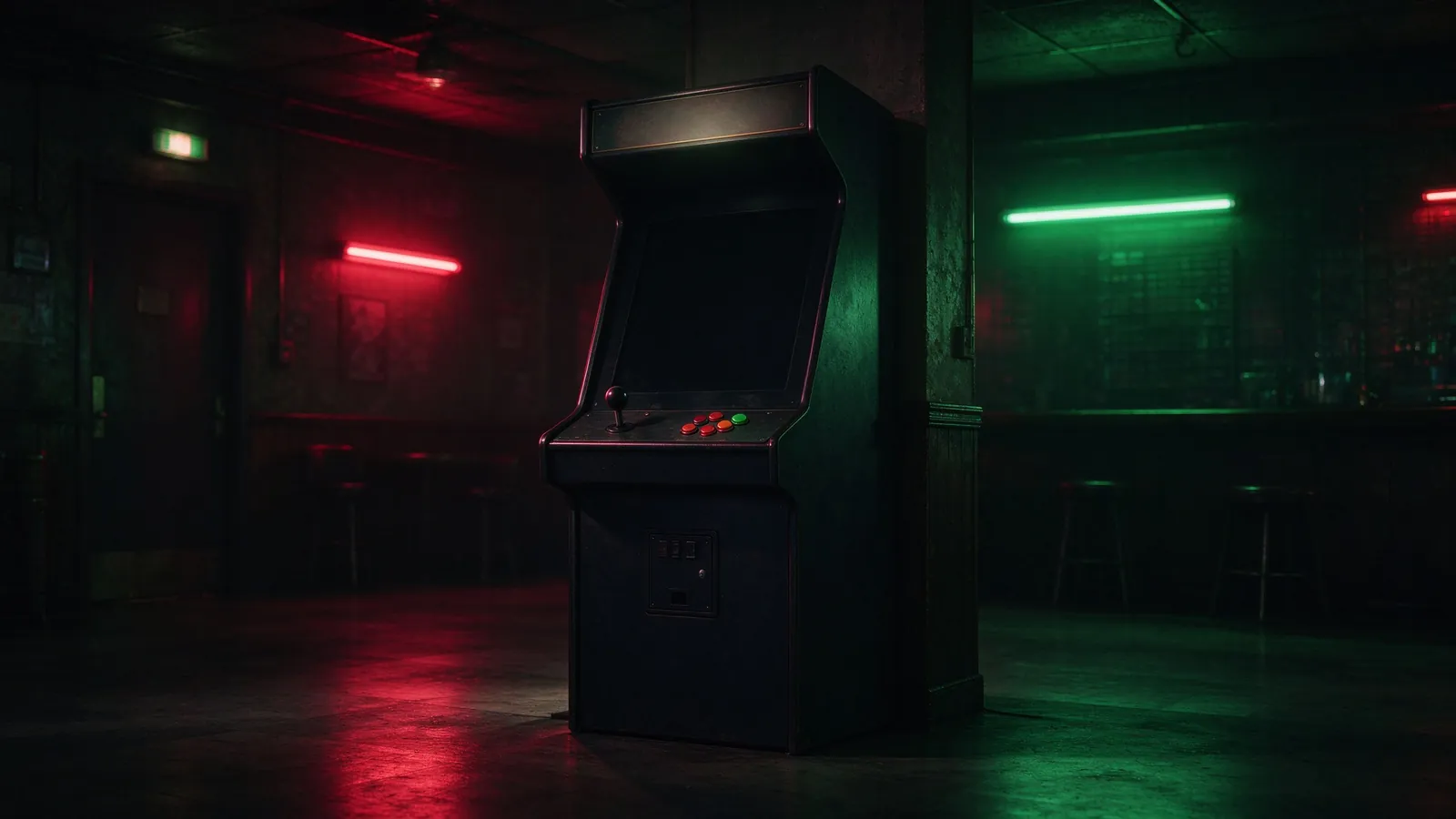
Neo Geo fighters ran in MVS arcade cabinets and premium AES home carts, and their sprite-heavy combos still feel fast, fair and endlessly replayable on emulators.
SNK’s Neo Geo platform launched in 1990 as a premium arcade board and matching home cartridge system, famous for oversized sprites, loud audio and a fighting lineup that rivaled Capcom through the 1990s. Most titles first appeared on the MVS coin-op cabinets in arcades before arriving on expensive AES home carts, so modern emulators essentially merge both libraries into one accessible folder. The games below focus on versus fighters and weapon-based duelists, with a couple of related standouts worth a quarter slot in your playlist.
Fatal Fury and the early SNK versus roots
1. Fatal Fury: King of Fighters (1991). The first of the series, with Terry, Andy and Joe facing Geese Howard across two planes on each stage. The plane-switch mechanic and the South Town backdrop set up the whole SNK fighting universe, even if the movement feels slow by later standards.
2. Fatal Fury Special (1993). A refined update of Fatal Fury 2 with the full boss roster playable, faster combos and cleaner sprites. It remains one of the most balanced early Neo Geo fighters and a common pick in retro tournament sets.
3. Real Bout Fatal Fury (1995). Introduced the line-break system where fighters can drop off edges into the background plane, plus ring-outs and more detailed stages. The later Real Bout Special and Real Bout 2 continued the formula, but the original entry marks the series’ peak balance for casual play.
4. Art of Fighting (1992). Ryo and Robert climb South Town to rescue Yuri, with a zooming camera that pulls back as fighters distance themselves and a spirit gauge for special moves. Its sequel Art of Fighting 2 (1994) improved the speed and roster, and the series shares the shared SNK timeline with Fatal Fury.
Weapon duelists and samurai drama
5. Samurai Shodown (1993). Weapon-based duels set in feudal Japan, with heavy slash damage, quick rounds and a rage meter that boosts offense. Unlike fist fighters, matches could end in a few clean hits, which made it a favorite for arcade quarters and short emulator sessions alike.
6. Samurai Shodown II (1994). Usually ranked the series peak: more characters, stronger background detail, better movement and a wider range of weapon styles from swords to fans and hammers. The boss Mizuki and the stage music remain fan favorites, and the game still gets casual tournament runs today.
7. The Last Blade (1997). A more poetic weapon fighter split into speed and power styles, set in a late-Edo-period Japan with moonlight stages and elegant character designs. The sequel Last Blade 2 (1998) refined the guard cancel and extra characters, and both games sit among the most atmospheric Neo Geo releases.
King of Fighters team battles and final cult picks
8. The King of Fighters ’94 (1994). The first three-on-three team fighter, pulling characters from Fatal Fury, Art of Fighting and Ikari Warriors into one roster. Team order and tag-in waits created a new layer of strategy, and the annual numbered sequels turned it into SNK’s flagship series.
9. The King of Fighters ’98 (1998). A dream-match compilation that ignored story continuity to gather the best characters from earlier entries, widely considered the most balanced KOF of the arcade era. Simple special motions, fast rounds and team synergy make it easy to pick up against a friend on a keyboard or pad.
10. Garou: Mark of the Wolves (1999). The final Fatal Fury chapter on Neo Geo, starring Rock Howard in a new South Town with Just Defend parries, T.O.P. system power zones and smooth modern-looking sprite animation. It arrived late in the platform life and never got a full arcade sequel, which keeps it a cult fighting essential.
Outside versus fighting, Windjammers (1994) deserves a mention as a fast disc-throwing sports duel that plays like a mix of Pong and handball, and Metal Slug rounds out the action side of the MVS library. Emulators such as RetroArch’s FBNeo or MAME core run MVS and AES ROMsets together; set coin insert and start on shoulder buttons, map the four attack buttons to a modern pad, and dip-switch difficulty down on first sessions. For the wider arcade context, read our MAME must-play arcade classics, and for the home console Sega rivalries of the same era, browse our Sega Genesis classics list.