Best Wii Games to Replay on the Dolphin Emulator
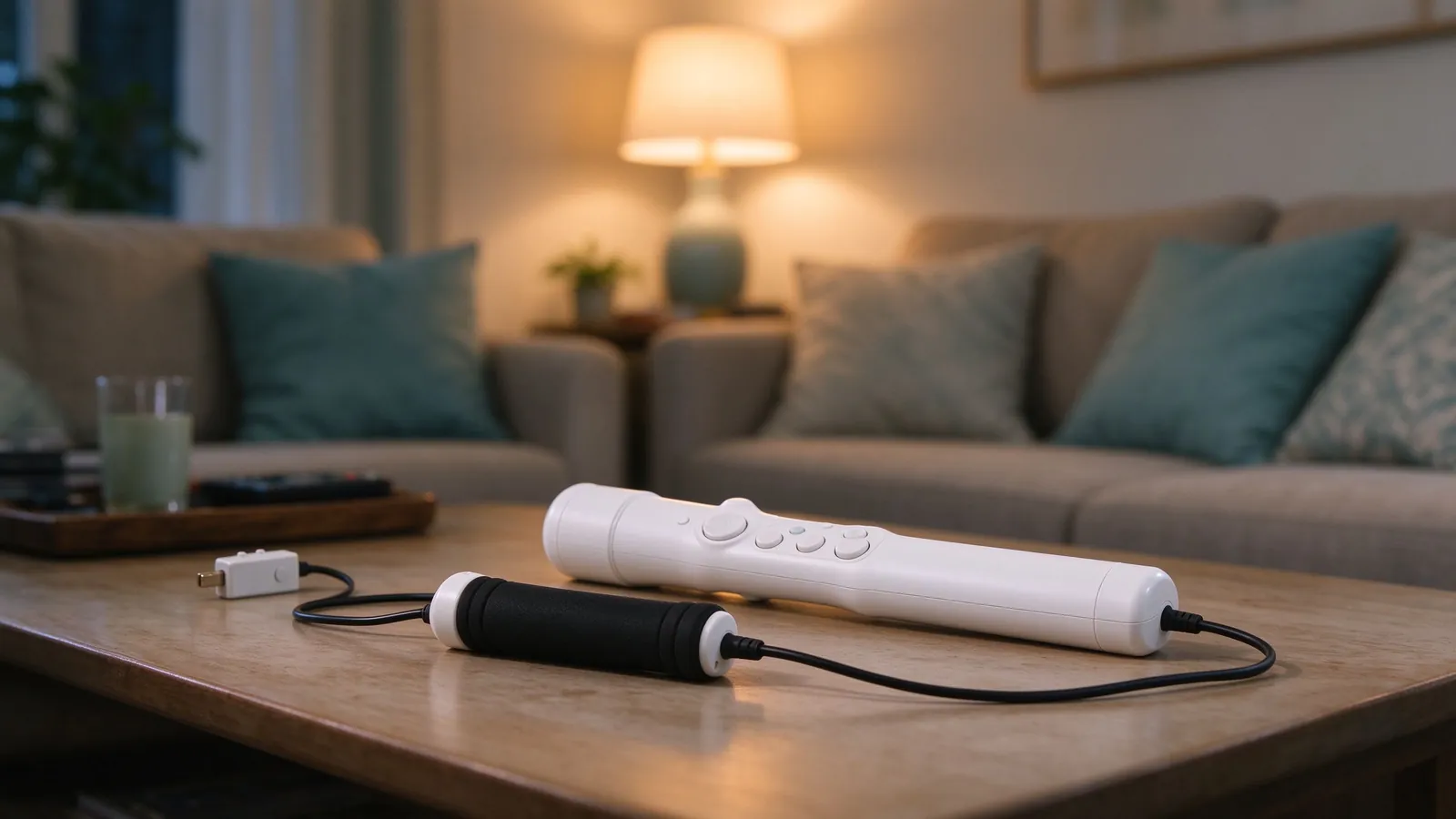
The best Wii games were built around waggle and local multiplayer, and the Dolphin emulator now lets you replay them in widescreen with save states and classic pads.
The Wii lived from 2006 to 2013 and sold over a hundred million units on the strength of family-friendly motion controls, but much of its library also works great away from the original remotes. Dolphin, the open-source Wii and GameCube emulator, runs most of the catalog on modest PCs with widescreen hacks, texture packs and controller rebinding, so a GameCube pad or Xbox-style controller can replace the wrist strap entirely. The picks below cover Nintendo first-party standouts plus a few deeper RPG and action titles that deserve a second look on modern hardware.
Mario, Zelda and platforming peaks
1. Super Mario Galaxy (2007). Mario travels across tiny gravity-bound planetoids, turning full 3D platforming into a series of clever orbits and comet challenges. The orchestral score, the varied galaxies and the camera design still feel modern; motion controls are optional once you remap on Dolphin.
2. Super Mario Galaxy 2 (2010). Tighter level design, Yoshi power-ups and a star-chart progression that cuts most of the hub-world filler. It is often called the purest Mario platformer of the seventh generation, and short levels suit emulator save states between commutes.
3. The Legend of Zelda: Twilight Princess (2006). A darker Link adventure with wolf transformation, horseback combat and large Hyrule fields. The Wii version flipped the world for right-handed play; Dolphin lets you pick either the Wii disc or the GameCube build and play with a normal controller without waving a remote.
4. The Legend of Zelda: Skyward Sword (2011). Motion-sword slashing translated into a precision puzzle-adventure in the clouds, with stamina climbing, item quests and a detailed overworld beneath the sea of clouds. On Dolphin the sword can be mapped to analog movement or mouse aim, removing the original hardware’s sensor-bar hassle.
5. Donkey Kong Country Returns (2010). Retro Studios’ 2D revival of the barrel-throwing ape series, with mine carts, rocket barrels and local co-op. The difficulty spikes are real, but the art style, rhythm levels and secret puzzle pieces make replays rewarding.
Fighting, racing and big campaigns
6. Super Smash Bros. Brawl (2008). The third Smash entry brought Solid Snake, Sonic and a long single-player Subspace Emissary story mode alongside the classic four-player brawling. Stage variety and item chaos made it a party staple, and Dolphin’s netcode-friendly build keeps local multiplayer playable on modern controllers.
7. Mario Kart Wii (2008). Twelve racers per track, bikes with wheelies, trick jumps off ramps and a roster of retro courses that fans still cite. Motion steering can be ignored on an emulator; the drifts and item balance hold up fine with a gamepad.
8. Metroid Prime 3: Corruption (2007). First-person Samus adventure where the remote aimed the arm cannon; on Dolphin mouse or right-stick aiming recreates that precision without infrared. The planetary levels, scan lore and upgrade loop close out the Prime trilogy on a strong note.
9. Xenoblade Chronicles (2010 Japan, 2012 North America). A massive JRPG set on two frozen titans, with real-time combo combat, a huge open world and a story about humanity’s survival. It was rare and pricey on original discs, but Dolphin runs it at higher internal resolution, making the later 3DS and Switch ports feel less like the only way in.
10. Fire Emblem: Radiant Dawn (2007). The sequel to Path of Radiance on GameCube, with large tactical maps, three-part faction switching and character classes that carry over from the prior game. Difficulty spikes and long maps demand save states, which Dolphin handles per state slot rather than through the Wii’s limited internal memory.
Getting the most out of Dolphin play
Wii emulation on Dolphin benefits from matching game region settings, enabling widescreen patches where available, and mapping the nunchuk analog stick to a left stick before starting a campaign. Save states work well for platformers and fighters, but RPGs still benefit from in-game saves so progression stays clean between sessions. Wii Sports Resort and Okami (2008 port) are easy bonus picks once the core list above is done. For general emulator habits such as save states, fast forward and cheat codes, see our emulator basics guide; if you want to compare with the earlier Nintendo 64 library, our N64 PC setup guide covers that transition.