GoldenEye 007 on N64 Revisited: Console Shooter History in Retrospect
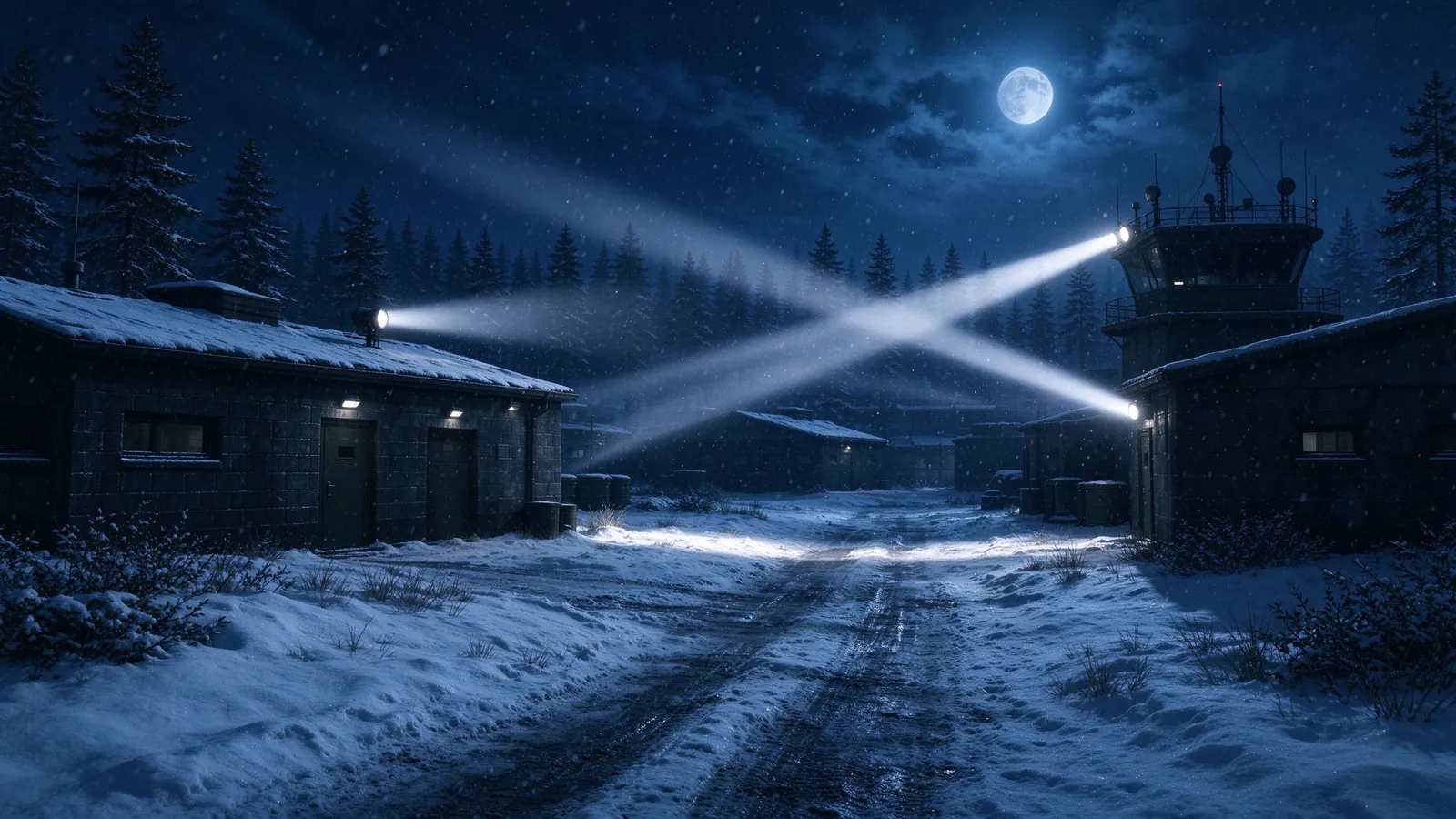
A GoldenEye 007 N64 retrospective and review, covering how Rare’s 1997 console shooter popularized split-screen deathmatch, mission objectives and stealth-style level design.
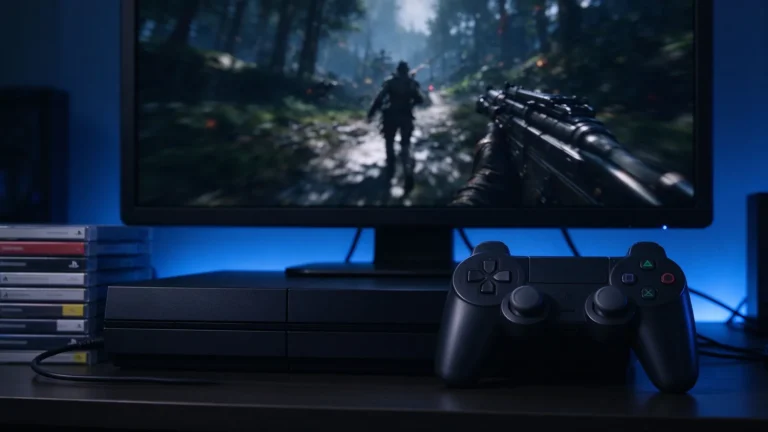
GoldenEye 007 released for the Nintendo 64 in 1997, developed by Rare as a tie-in to the James Bond film of the same name. Long before online console shooters were standard, it sent players through a Russian dam, chemical bunkers, a satellite control center, streets and a jungle missile site, with each mission tied to discrete objectives rather than a simple reach-the-end rule. Local split-screen deathmatch for up to four players became a staple of N64 sleepovers, and this revisit examines how the campaign holds up, what the multiplayer mode contributed to shooter history, and which mechanics feel old against modern first-person games.
What the single-player campaign introduced
First-person console games before GoldenEye tended to be arcade-style corridor shooters or light-gun experiences. Rare built a hybrid: Bond walks through rooms with a gun viewmodel, completes a checklist such as recording the helicopter, disabling safes, planting covert charges or unlocking doors, and then reaches an exit point. Objective types changed per mission, and difficulty levels added goals for experienced players, which gave the same maps multiple reasons to be played again. The Dam mission remains a recognizable opening: a long exterior climb, a bungee-style drop at the end, and a quiet shift from outdoor height to interior tight rooms.
The weapons set blends gun silhouettes and special gadgets, from a basic pistol to a sniper rifle, grenade launcher, throwing knife and proximity mines. Headshots mattered in an era when many shooters focused on total damage pools, and body armor acted as a visible resource rather than a regenerating shield. Avoiding alarms and limiting alerted enemies improved the run even without a full cover-stealth system. The N64 emulator guide on PC explains how to map modern controllers for analog movement, since the original layout asks players to learn a comfortable stick assignment.
Split-screen deathmatch as a social standard
The mode most people remember is local versus play. Four players shared one television through small quadrants, each choosing a character, weapon set, map and special rules such as no respawns, only proximity mines, or a scaled-up character mode. Maps like the Facility, Library, Complex and Bunker crossed in seconds, with corners, pipes, windows and vantage points that rewarded spatial memory over aiming precision. Group sessions turned deathmatch into a social ritual online shooters later adopted with bots and dedicated servers.
Weapons defined each match rhythm: steady pistol, close-quarters shotgun, long-angle sniper rifle, and mines attached to doors or ceilings. Movement involved vents, crates and low corridors, and limited rendering distance meant enemies could appear suddenly near a screen edge. The N64 multiplayer favorites list still groups GoldenEye with titles that lived or died on local group play, and the Super Mario 64 retrospective shows how the console’s camera and analog design influenced other early 3D experiences.
Controls, presentation and the era’s visual limits
Movement speed was deliberate compared with modern shooters. Bond walks, strafes and aims with a slow analog adjustment, and the game has no sprint, slide, jump-peek or quick reload cancel. That slowness can feel sluggish to players raised on fast arena shooters, but it gives firefights room to read enemy positions and switch objectives. Graphics rely on low-poly geometry, flat textures, fogging and screen-split render budgets, with models simplified for performance. Replay value came through difficulty tiers, time trials and unlocks rather than post-launch content; memorized routes, item placements and patrol patterns make a modern run partly a puzzle about efficient planning.
What shows its age today
The absence of online play dates the multiplayer most of all; the original versus mode requires local players in the same room. Enemy AI mostly patrols fixed routes and reacts with simple alerts, lacking the cover-based flanking common in modern shooters. Objective lists sit outside the 3D world, levels can feel repetitive after a long session, and early missions contain long stretches between fights. Texture detail and cutscene direction show the small-team N64 budget, and the film-tie-in story skips depth in favor of recognizable locations. These limits do not erase the design choices that mattered: mission-based objectives, headshot priority, armor management and compact multiplayer maps all became common language in later games.
Verdict: historical significance over modern polish
GoldenEye 007 earns a place in console shooter history for popularizing objective-based levels and split-screen competitive play on a mainstream home console. A fresh playthrough rewards curiosity about early 3D control and level architecture, but expects slow movement, low-resolution visuals and no online features. Come for the history and remembered multiplayer maps, use a modern controller setup for comfort, and pair it with later shooters if the controls feel too deliberate for today’s expectations.