Classic DOS Strategy and Adventure Games Worth Playing on Modern PCs
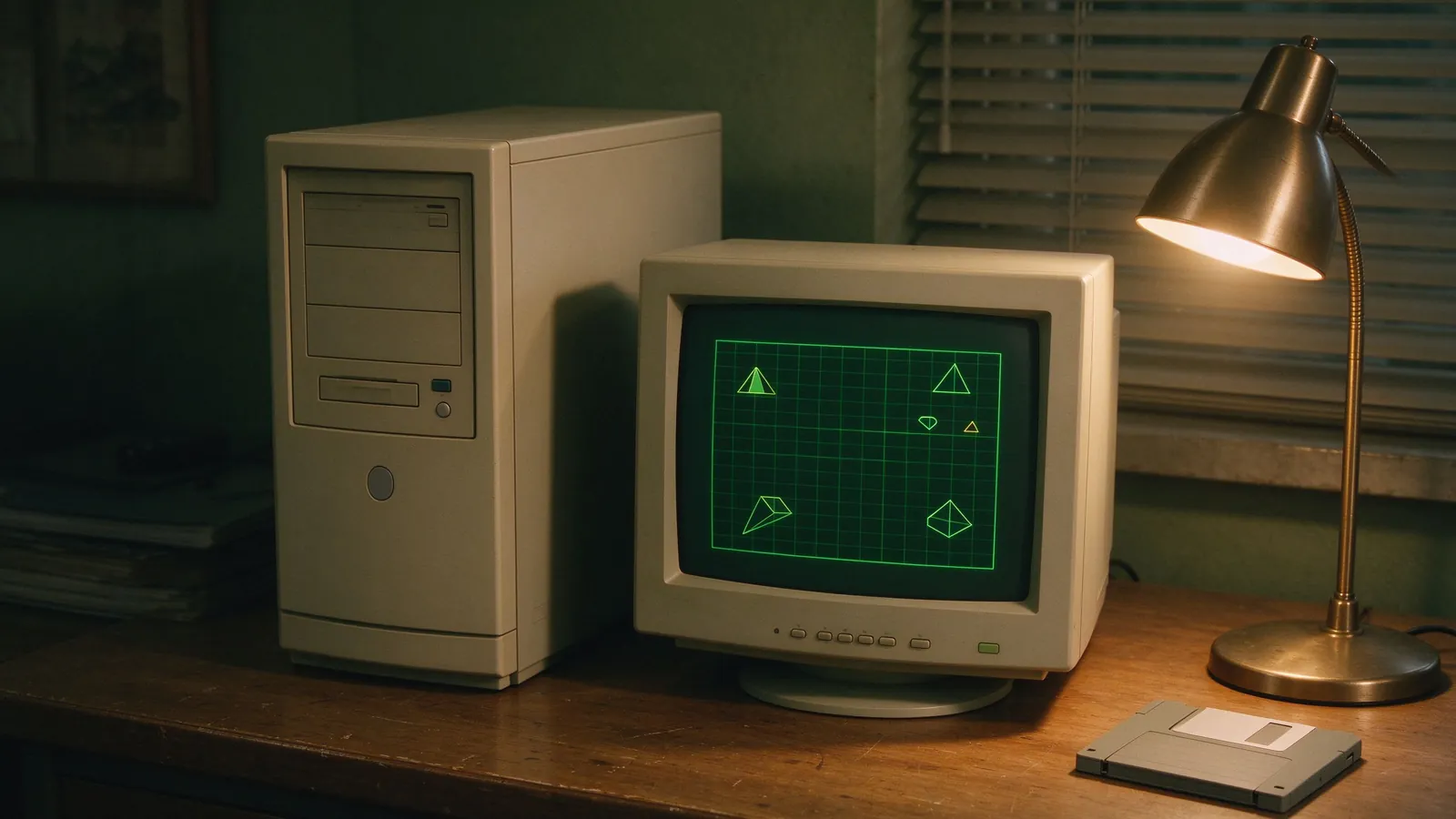
Classic DOS strategy and adventure games still reward players on modern PCs: grand RTS campaigns, tactical squad battles, and Sierra-style point-and-click adventures that DOSBox makes easy to run.
The MS-DOS catalog shaped two genres that still define PC gaming: real-time and turn-based strategy with mouse-driven maps, and text-graphic adventure games built on clever puzzles and character writing. Modern Windows no longer boots these programs directly, but DOSBox emulates the old CPU cycles, sound cards, and disk-drive timing so the originals behave as they did on 286 and 486 machines. The list below pairs strategic classics with adventure classics so a library can balance planning sessions and story evenings. Keep legal originals, registered shareware episodes, or free public domain and homeware replacements, and use DOSBox mount commands documented in beginner guides rather than scattered config files.
Strategy classics on DOS: RTS and turn-based maps
- Command & Conquer (1995). Westwood’s landmark real-time strategy game with two global factions, FMV mission briefings, base building, and combined infantry and armor pushes. Resource harvesters, defensive turrets, and support powers set the pattern later RTS titles copied.
- Command & Conquer: Red Alert (1996). An alternate-history prequel split between Allied and Soviet sides, each with unique units like attack dogs, Tesla coils, and deception weapons. Side-specific mission trees and tougher defenses give longer campaigns than the first game.
- Warcraft II: Tides of Darkness (1995). Blizzard’s fantasy RTS pitting orcs against humans with land, sea, and air units, fog of war, and resource harvesting. Buildings advanced through tiers, and the map editor still gives community maps a second life on emulated DOS.
- X-COM: UFO Defense (1994). A two-layer strategy classic: global base management and interception decisions above, then turn-based squad tactics on alien crash sites. Research trees, soldier ranks, and scarce funding make every campaign a tense resource puzzle.
- Heroes of Might and Magic II (1996). Turn-based fantasy kingdom strategy where heroes lead armies across hex maps, capture towns, and recruit creatures. Combat resolves on a separate grid, and long maps suit weekend strategy sessions.
- Sid Meier’s Civilization II (1996). A turn-based 4X empire game from a small settler party to modern-era diplomacy, warfare, and culture victory. City management, tech trees, and wonder projects make each playthrough a branching historical sandbox.
Adventure classics worth a modern replay
- Monkey Island 2: LeChuck’s Revenge (1991). A comedic pirate point-and-click adventure with insult swordfighting, grog recipes, and layered island maps. Inventory puzzles lean on wordplay and location switching, and the cartoon style still reads clearly in DOSBox.
- Indiana Jones and the Last Crusade (1989). A graphic adventure tied to the film, with action scenes, dialogue choices, and a path system where some puzzles accept multiple solutions. Exploration and journal clues guide the search for the Holy Grail.
- Gabriel Knight: Sins of the Fathers (1993). A darker voodoo-themed adventure set in New Orleans, combining investigation, dialogue trees, and timed action segments. Mature writing and voice production set it apart from cartoonier Sierra titles.
- King’s Quest V: Absence Makes the Heart Go Yonder! (1990). Sierra’s point-and-click fairy-tale quest with cursor verbs, world maps, and multiple character encounters. Puzzles reward careful item use, and the CD audio release adds atmosphere to emulated play.
- Alone in the Dark (1992). A survival-horror adventure with fixed camera angles, pre-rendered backgrounds, and inventory-based puzzle solving in a haunted mansion. Combat and dread mix with adventure logic, bridging the genre toward later horror games.
- Prince of Persia (1989). A cinematic platform adventure with fluid rotoscoped animation, trap-laden dungeons, and a strict escape timer. Precise jumps and sword duels make it a short but demanding classic between slower story games.
Running DOS classics on a modern PC
Start a strategy evening with Red Alert or X-COM for long maps, and keep an adventure loaded for breaks between missions. DOSBox lets you mount the game folder as a virtual drive, adjust CPU cycles for speed, and map mouse buttons to the original controls. Our DOSBox guide for classic DOS games on Windows walks through the mount commands and sound settings step by step, while the emulator basics guide explains save states, fast forward, and cheat codes for titles with harsh timers. Once the library grows, the ROM and collection organization guide keeps game folders, config files, and save slots sorted across both strategy and adventure classics.