Personal Dumps, Homebrew and Official Re-releases: A Legal Baseline for Retro Emulation
A legal baseline for retro emulation: personal backups of owned media, public-domain and free games, homebrew, official re-releases and compilations, with practical habits that keep a collection on solid ground.
Emulation lets a PC or handheld run software from older machines, but the legal position depends on where the software file came from, who holds the rights, and how the copy was obtained. Commercial cartridge and disc games still belong to their publishers and rights holders; downloading a title you do not own from a random bundle site sits outside a safe collection, even when the hardware itself is decades old. This feature draws a practical baseline around commonly safe categories: personal dumps of owned media, public-domain or freeware titles, community homebrew and official modern re-releases, plus edge cases to check before sharing files publicly.
Personal dumps: what owning the media usually covers
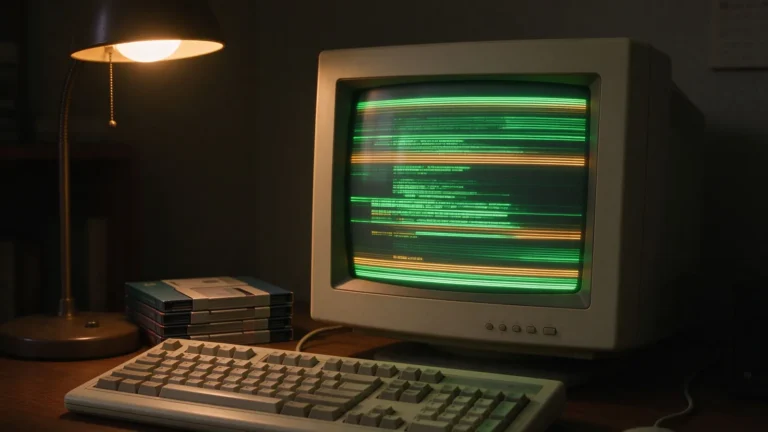
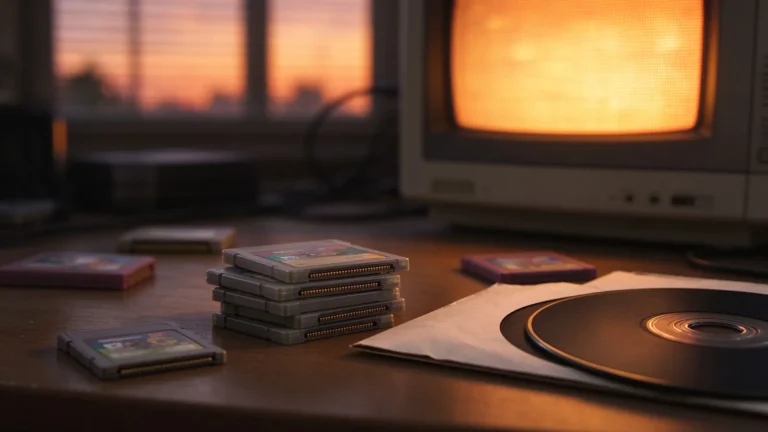
The most defensible emulation habit centers on the copy you already possess. Owners who dump a cartridge, optical disc or floppy disk from hardware they legitimately acquired create a working personal backup, useful for preservation, migration to emulator setups and protection against battery-saving failure or contact damage. The safe practice keeps the original physical media stored separately, records the dump’s region, version and checksum, and treats the digital backup as tied to that owned item rather than a distributable file. Region differences and revisions matter because a community patch expects a specific dump, and collectors who share complete commercial files publicly move beyond personal backup into unauthorized distribution. The preservation habits covered in the emulator basics guide emphasize stable storage, separate save folders and clean file organization so backup practice stays organized instead of becoming an unmanageable folder of unknown files.
Battery-backed saves deserve special care: dry cells inside cartridges lose charge over years, and once the original save file vanishes, recreation requires another playthrough. Archivists commonly dump save data from owned carts into standard memory-card or save-file formats, keep the original battery status in notes, and store working backups on drive images alongside the game file. The purpose here is longevity of property, not mass redistribution.
Public domain, freeware and homebrew
Three broader categories carry lower legal risk. Public-domain titles and permissive freeware releases make their source freely available for download and play, whether original free games, conversions released by their authors, or historical entries whose rights status the hosting project documents. Homebrew software consists of original programs built by hobbyists for emulated or real hardware, ranging from demoscene productions to original games, utility applications and small original-engine recreations. Because homebrew authors publish the code or ROM file directly, users can obtain the file from the author’s own project page, note the license, and respect whether redistribution or modification is allowed. The projects introduced in the legal homebrew guide explain where to browse source-backed releases, how to read typical open-source or freeware licenses, and why bundling homebrew with commercial files creates a confused archive that loses its clean provenance trail.
Official re-releases and modern compilations
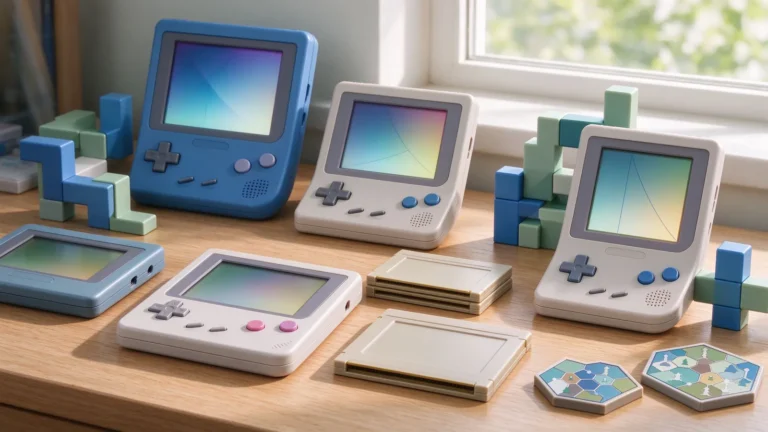
Publishers still bring classic games to current systems through subscription services, virtual-download storefronts, anniversary compilations and licensed mini hardware. These versions carry the rights held by the publisher and often include official ports, manual scans and supported online play; buying or subscribing to them supports a legal route to the same retro experiences and usually offers controller mapping, save slots and display options absent from the original hardware. Emulator users can keep this boundary clear: run official titles as purchased software on the platforms provided, and use emulation mainly for owned backups, homebrew, freeware and public-domain titles where rights permit. When a commercial title receives no official modern release, the safest answer remains waiting for a publisher offer, acquiring original hardware, or playing community-made original homebrew rather than seeking complete unauthorized files.
Baseline checklist for a clean collection
- Keep provenance records: note physical ownership, source URL for free or homebrew files, and the license or author page where applicable.
- Store files by project: keep ROMs, save files, screenshots and patches in one folder per title, with unmodified dumps kept aside from patched copies.
- Separate commercial backups from shareable folders: do not mirror owned-cartridge dumps onto public download spaces or bundle them into distribution packs.
- Prefer legal content for discovery: use official store listings, freeware roundups and homebrew communities to expand the library.
Emulation itself is a legal and useful preservation technology; the line usually lies in file source, license terms and what the collector shares. With modest organization, a hobby setup can enjoy decades of history while keeping rights, backups and community rules easy to explain.