Best Nintendo DS RPGs and Adventure Games to Replay Today
The best Nintendo DS RPGs and adventure games used the dual screens and touch pen to turn books, puzzles and turn-based parties into replayable portable campaigns.
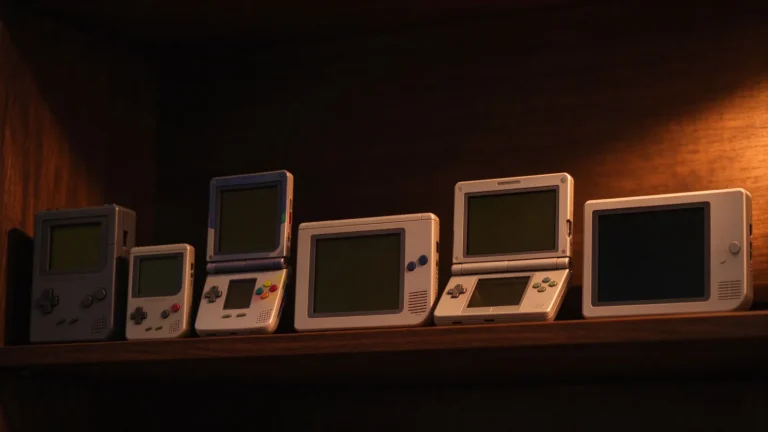
The Nintendo DS doubled the screen real estate with a touch lower panel, a microphone, wireless local play and huge battery-friendly battery life. Developers responded with touch-driven menu battles, map-on-bottom navigation, puzzle mystery games and RPG campaigns that could run dozens of hours between pockets. Modern emulators keep saves, map screens and stylus input mapped to a mouse or stylus without depending on original hardware. The list covers Japanese RPGs, Pokémon generations and mystery or visual adventures; use legal dumps of carts you own, homebrew or official re-releases only.
Japanese RPGs built around touch-screen menus
1. Pokémon Diamond, Pearl and Platinum (2006 Japan; 2007 worldwide; Platinum 2008/2009). The Sinnoh generation introduced online trading, a 3D-styled overworld and roughly four hundred catchable species across land, sea and caves. Platinum rearranged routes, added the Distortion World and balanced encounter rates, and it remains the most portable way to revisit that generation.
2. Pokémon HeartGold and SoulSilver (2009 Japan; 2010 worldwide). Enhanced remakes of the Generation II Johto games included a pedometer companion, a walking partner Pokémon, Kanto as a second region and a huge postgame roster. Their quality-of-life polish keeps them among the most beloved RPG remakes on any handheld.
3. Dragon Quest IX: Sentinels of the Starry Skies (2009 Japan; 2010 worldwide). Square Enix moved the series into a fully customizable hero and local Wi-Fi party questing. Grinded stat growth, item alchemy, side quests and a long overhead adventure made it a staple RPG for long flights or weekend play.
4. Final Fantasy IV (2007 remake). The DS remake rebuilt the classic SNES story with 3D character models, full voice cuts, touch-based menu shortcuts and a separate bottom-screen map. The ATB battles, drama beats and remixed score translated well to the pocket format, and the hard mode rewards returning fans.
5. The World Ends with You (2007 Japan; 2008 worldwide). A stylus-driven action RPG set in Shibuya’s underground Reapers Game. Top-screen combat uses character partners, while the bottom screen reads swipe, tap and circle attacks; its urban fashion pins, fusion combos and pop soundtrack made it one of the DS’s most original titles.
6. Mario & Luigi: Bowser’s Inside Story (2009). The third Mario RPG split control between the brothers’ turn-based combat and a giant Bowser path that shared party state. Timed button presses, drill moves, puzzle zones inside Bowser’s body and sharp comedy kept the Paper-free Mario series at its funny and musical peak.
Adventures, mystery cases and visual storytelling
7. The Legend of Zelda: Phantom Hourglass (2007). The Touch Zelda sequel to Wind Waker uses the stylus for path drawing, sailing, sword slashes and ship routing, with a sea of islands and a repeatable central dungeon layered over and over. Short sessions, map notes on the lower screen and fast sail travel suited handheld play.
8. The Legend of Zelda: Spirit Tracks (2009). Link steers a spirit train across rail networks, operates the companion Zelda in spirit form, and solves temple puzzles with the stylus, flute rhythms and chain drops. Its softer steampunk look and rail-bound movement feel deliberately made for the two-screen hardware.
9. Professor Layton and the Curious Village (2007 Japan; 2008 worldwide). A gentleman archaeologist and his assistant solve a hundred-plus brain teasers hidden in a mystery town, with puzzles linked through a charming story of golden secrets. Touch-screen input, hint coins and gently animated cutscenes defined the DS puzzle-adventure boom.
10. Phoenix Wright: Ace Attorney (2005 Japan; 2006 worldwide). A port of the courtroom drama with cross-examination on the lower screen: present evidence, break contradictions and object before the witness ends their turn. Follow-ups Justice for All and Trials and Tribulations fill out the trilogy with longer cases and quirky characters.
11. Ghost Trick: Phantom Detective (2010 Japan; 2011 worldwide). A Capcom puzzle-adventure where a newly dead spirit possesses objects and rewinds four minutes before a death to save a victim. Stylus ghosting between props, clever cause-and-effect chains and an ever-deepening mystery make its short campaign a portable puzzle classic.
On a DS emulator, map the lower screen to mouse or touch, keep save states before tricky courtroom presentations or dungeon fights, and rotate the system to portrait for reading-heavy adventure games. Begin with Phantom Hourglass or Professor Layton for light sessions, then commit to Dragon Quest IX or Platinum for long campaigns. See our best Nintendo DS classics and hidden gems roundup, read the melonDS Nintendo DS emulator guide for setup details, and compare earlier handheld role-playing in our GBA classics list.