TurboGrafx-16 and PC Engine Shoot-em-ups and Platform Classics

TurboGrafx-16 and PC Engine classics pair tight shoot-em-ups with bright platformers, and emulation brings the small-but-mighty HuCard library back at full speed.
The PC Engine and its Western TurboGrafx-16 release punched above their size: a compact card-based console with a strong Japanese arcade-inspired library, especially horizontal shooters and fast platformers. The machine never had the widest catalog, but its best releases are short, polished, and easy to finish in evening sessions on modern emulators. The picks below split into shooters, platform and action games, then setup notes for getting the HuCard and CD library running. Keep the legal habit: use dumps of original cards and CDs you own, or public domain and homebrew titles, and do not download commercial files you lack rights to.
Shoot-em-ups built for short runs
- Blazing Lazers (1989). Dense vertical shooter with weapon power-ups, satellite options, and memorable bosses. It became a showcase for the console’s sprite handling, and its steady difficulty curve rewards pattern memorization over random luck.
- Super Star Soldier (1990). Vertical shooter with weapon selection, score chains, and multi-stage boss fights. Ships unlock new shot types between zones, so each run builds a slightly different loadout, and stages remain compact enough for repeated attempts.
- Soldier Blade (1992). The follow-up in the Star Soldier line, with faster pacing, tighter patterns, and weapon-switch mechanics. It leans toward high-score play, making it a good choice once you know the basics of the series.
- Air Zonk (1992). Cute horizontal shooter with cartoon enemies, silly bosses, and cheerful color palettes. Accessible speed and quirky character designs soften the genre’s usual harshness, ideal as a warm-up before harder shooters.
- R-Type (1988 PC Engine, 1991 TurboGrafx-16). The classic side-scrolling shooter with the force pod, wave cannon, and biomechanical enemies. The HuCard version trimmed some arcade detail but kept the famous level design and boss rhythm intact.
- Galaga ’88 (1988). Updated fixed-screen insect shooter with formations, dual-ship capture, and stage variants. Simple to understand, hard to master, and perfect for quick five-minute runs between longer games.
Platformers and action classics
- Bonk’s Adventure (1990). The console’s mascot platformer, where a caveboy smashes enemies with his head and climbs through prehistoric stages. Bright graphics, simple jumps, and power-up teeth give it a friendly rhythm suitable for newer players.
- Bonk’s Revenge (1991). Tighter sequel with alternate paths, better power-ups, and varied zones from ice to jungle. The headbutt physics stay playful, and shorter levels fit portable-style desktop sessions.
- The Legendary Axe (1988). Action platformer with a swinging axe, stamina meter, and jungle atmosphere. Timed attacks and careful jumps give it a tougher, retro feel, and the boss encounters demand practiced patterns rather than button mashing.
- Ninja Spirit (1988). Side-scrolling ninja action with blade slashes, shuriken throws, and atmospheric stages from forests to fortresses. Weapons switch on the fly, and the ghostly visual style sets it apart from brighter platformers.
- Splatterhouse (1990). Horror-themed beat-em-up platformer with a masked hero, meat-cleaver weapons, and grotesque enemies. Short stages and item pickups keep it action-focused; play it with the sound on for the mood, and save states help on the later bosses.
- New Adventure Island (1990). Bright island hopping platformer with surfboards, ice skates, and rescue objectives. Easygoing compared with Legendary Axe, it works as a relaxing counterpart to the shooter-heavy lineup.
Running the library on emulator
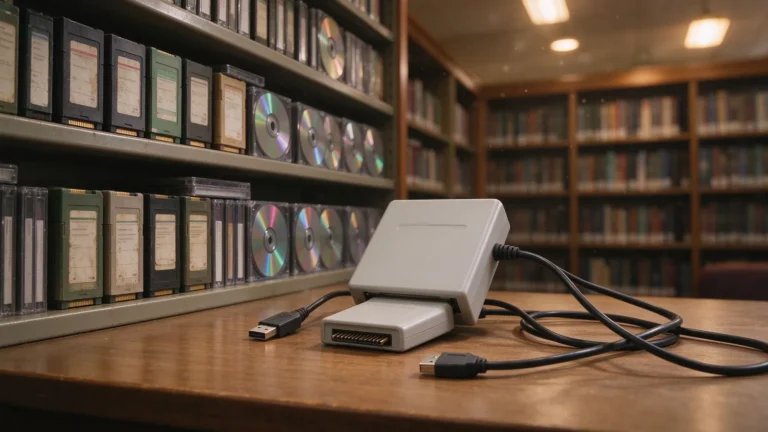
HuCard titles are small, fast to boot, and forgiving on any modern machine; CD releases such as the CD-ROM2 exclusives need a working CD image plus the correct system BIOS files, and load times can be trimmed with built-in fast-forward settings. Use one emulator core consistently, map a pad before the first shooter, and turn on vertical screen rotation only for vertical shooters so platformers keep their native orientation. Save states are useful for tough boss patterns, but score-chasing shooters should be played clean to keep the run honest. Our TurboGrafx-16 essential games list gives a broader tour of the console’s RPG, racing, and arcade ports, while the MAME arcade must-play guide pairs naturally with the shooter picks since many of these games trace back to coin-op cabinets. Start with Blazing Lazers and Bonk’s Adventure, add R-Type and Splatterhouse once the controls feel familiar, and the small library rewards a patient, replay-heavy approach.