
Sakura Wars on Saturn Revisited: Tactical Grids and Trust
Sakura Wars Saturn revisited explains how timed dialogue choices and trust values feed a grid battle system that still feels unusual on 1996 hardware.

Sakura Wars Saturn revisited explains how timed dialogue choices and trust values feed a grid battle system that still feels unusual on 1996 hardware.
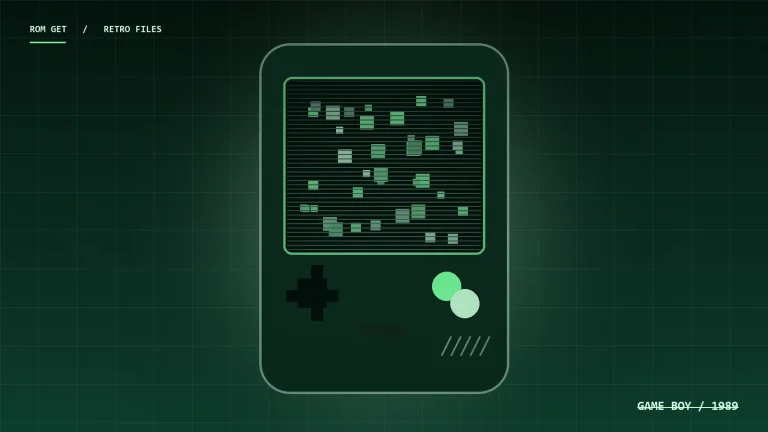
The Game Boy reflective LCD had no backlight and only four greenish shades, so artists drew bold high-contrast outlines that survived ghosting and glare.
Saturn vs PS1 3D hardware means distorted quads on two Sega chips versus sorted triangles on one Sony GPU, which is why the same ports looked so different.
Fix a black screen emulator disc boot failure by checking the core, BIOS, CUE paths, region and renderer in this ordered list, one cause at a time.
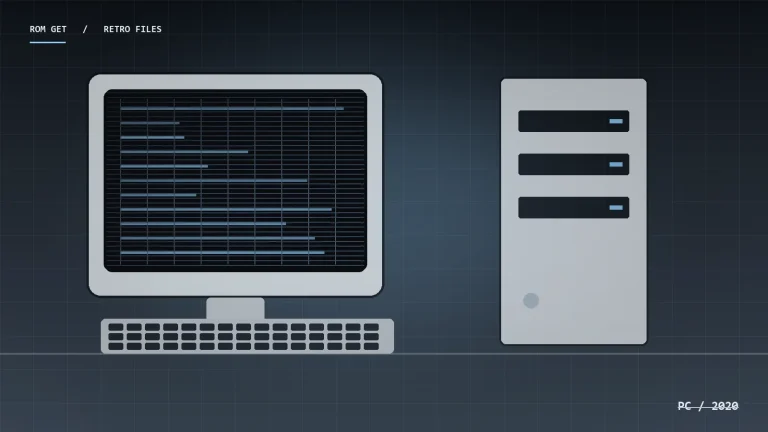
Building RetroArch playlists from your own dumps means scanning a folder, fixing unmatched names by hand and assigning one core so each title launches.

Soulcalibur Dreamcast still holds up for its 8-Way Run and Guard Impact parry, though the 1999 port keeps fairly thin single-player options and a stubborn CPU.
Burning Rangers on Saturn still stands out for its audio navigation and crystal rescues, but the 1998 camera and sparse checkpoints drag on a replay.

Xenogears PS1 pairs AP-driven Deathblows on foot with fuel-limited Gear battles, yet the compressed narration of Disc Two drags the whole second half.

Best Atari 2600 games ranked for a modern emulator setup, from Pitfall and Adventure to the TIA chip, paddle controllers and NTSC color quirks that matter.
Best Neo Geo Pocket Color games ranked by short-session design, from SNK versus Capcom tag fighters to the clicky joystick and tiny 160 by 152 screen.
How to read emulator compatibility reports by checking the renderer, region and build fields, then testing fixes against your own legal personal backups.
16-bit localization explained by the ROM size limits, fixed-width fonts and name swaps that shaped how 1990s Japanese RPGs reached English cartridges.