
Virtual On Revisited: Saturn Twin Sticks and Virtuaroids
This Virtual On Saturn revisited review covers the 1996 twin stick port, its Virtuaroids, lock-on arenas, and the control quirks that aged badly.
This Virtual On Saturn revisited review covers the 1996 twin stick port, its Virtuaroids, lock-on arenas, and the control quirks that aged badly.

This Contra Hard Corps revisited review weighs the 1994 Konami Genesis shooter’s four characters, branching routes and punishing late-game bullet density.
Contra III SNES revisited still sells its two swappable weapon slots and Mode 7 stages, but limited continues and a brutal difficulty curve show their age.
Our best Sega CD games ranked list puts six verifiable 1990s discs in order for a first emulator library and names the weak spots in each ranked pick.
Twin-stick arcade setup is mostly a MAME input map: one stick moves, the other aims and fires, and diagonals have to work before Robotron feels right.
A TATE vertical display setup guide for MAME and RetroArch: pivot the panel, set Portrait in Windows, fix the rotation, and verify the image is upright.
A Gradius III SNES revisited review of Konami’s 1990 shooter: how Weapon Edit and four Options still work, and why the slowdown and checkpoint deaths hurt.
This Einhander PS1 revisited review examines how the gun pods and the Schwarzgeist boss hold up, and where the 1998 Square shooter shows its age today.

Rocket Knight Adventures revisited on the Sega Genesis still sells its charged jet pack boost, though the sword combat and limited continues show their age.
Regional box art changed between Japan, Europe and North America because separate publishers commissioned separate covers and names for the same cartridge.
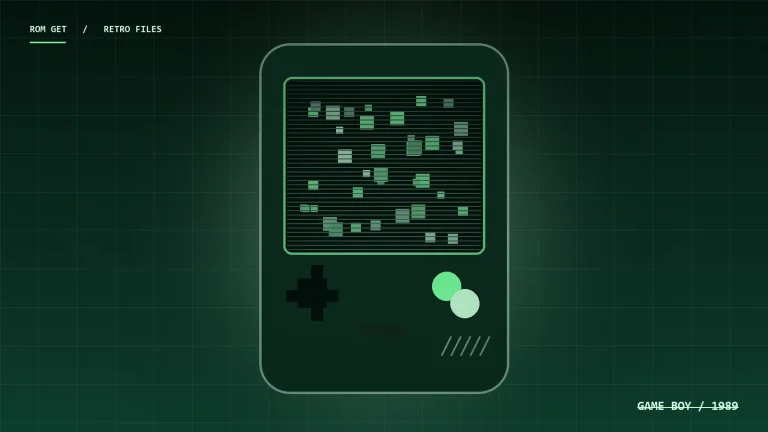
The Game Boy reflective LCD had no backlight and only four greenish shades, so artists drew bold high-contrast outlines that survived ghosting and glare.
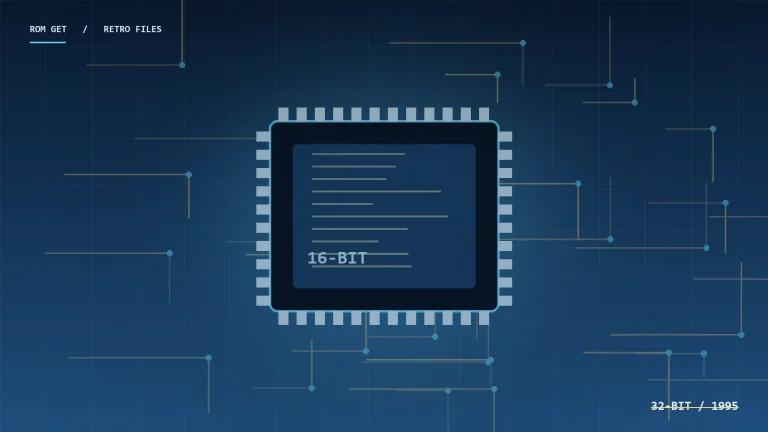
Saturn vs PS1 3D hardware means distorted quads on two Sega chips versus sorted triangles on one Sony GPU, which is why the same ports looked so different.