
ActRaiser Revisited: SNES City Building and Angel Mode
ActRaiser revisited: how its six acts mix side-scrolling action with settlement building, and why the faith meter makes both halves work so well.
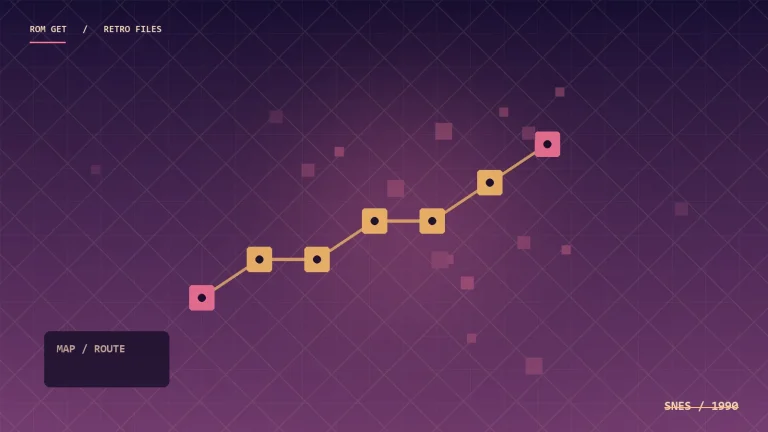
ActRaiser revisited: how its six acts mix side-scrolling action with settlement building, and why the faith meter makes both halves work so well.
Best SNES racing games ranked: from F-Zero to Stunt Race FX, a careful practical list of 16-bit racers with real strengths and some honest weaknesses.
Verify fan translation credits: a practical method for checking patch readmes, file hashes and in-game credit screens carefully before you share a link.
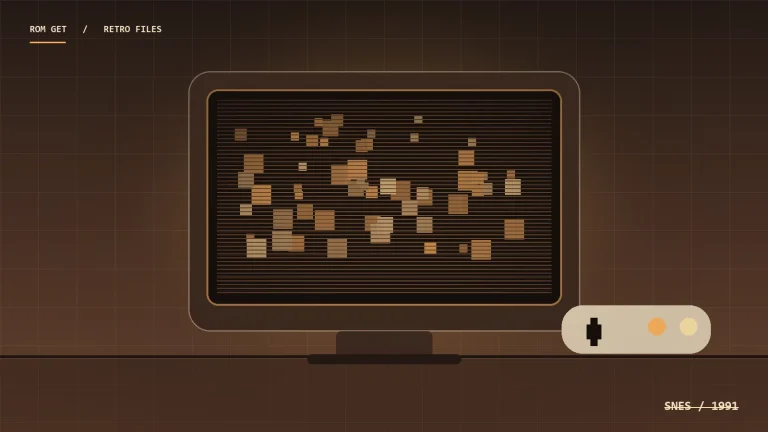
Composite video explained: see why colour bleed and soft edges shaped 8-bit and 16-bit console pixel art on old televisions and modern scalers today.

Sound test menus explained: how hidden track lists help verify emulator audio, compare regional scores and help preserve a game’s distinctive synthesized music.
Battery-backed cartridge saves explained: why coin cells, SRAM and save-type settings matter when old cartridge files stop loading on real hardware.

Super Mario RPG revisited: the 1996 SNES collaboration brings timed hits and a stacked party, even if its rather short campaign plays things a little safe.

Mega Man X revisited: the 1993 SNES debut adds a dash, wall kicks and armor upgrades, though its overall campaign is rather short by later series standards.

Genesis palette RAM explained: four lines of sixteen 9-bit colors forced artists to share palettes, and palette cycling brought water and lava to life.
This SNES color math explained essay covers how the PPU blends two screens with half-color mode and windows to fake glass, water, shadows and fog.

An SNES multitap emulator setup lets four players share one controller port: how to assign devices, avoid port-2 conflicts and verify all four pads.
Contra III SNES revisited still sells its two swappable weapon slots and Mode 7 stages, but limited continues and a brutal difficulty curve show their age.