Final Fantasy VII on PS1 Revisited: The JRPG That Went Mainstream
Final Fantasy VII on the original PlayStation revisited: the 1997 Square JRPG that widened the genre’s Western audience, covering the materia battle system, ensemble cast and what still works versus what shows its age today.
Final Fantasy VII launched on the Sony PlayStation in 1997 as a fully three-dimensional Square production built around pre-rendered backgrounds, turn-based combat on field models and a sprawling multidisc world map. Directed by Yoshinori Kitase and produced by Hironobu Sakaguchi, the game follows Cloud Strife and a band of allies opposing a power company that drains planetary life, with themes of memory, identity, ecological pressure and war woven across long cutscenes and active-time battle encounters. The soundtrack by Nobuo Uematsu carried much of the emotional weight, and the materia system reimagined how players equip abilities, spells and summons. This revisit traces what the JRPG did well, the design tradeoffs that show in 2026, and why it remains a genre milestone.
Materia, abilities and the ensemble battle system
Instead of rigid fixed classes, equipment slots hold materia orbs that grant magic, summon spells, support effects and stat bonuses, and combination rules let paired orbs modify one another: support materia extends an equipped spell, added effect or duplicate strike behavior. The active-time battle system queues actions under a visible gauge, so players plan healing, buffing and damage rather than issuing instant menu choices. Each character owns unique limit breaks unlocked through battle use, giving a signature move to Cloud, Tifa, Barret, Aerith, Red XIII, Cid and optional party members. Exploration mixes field routes, scripted sequence events and an overworld crossed on foot, chocobos and vehicles, with minigames such as slope driving, darts and arcade side rooms breaking long stretches of story progression.
The PS1 library covered in the PlayStation one classic list places this game among titles that used long cutscenes and cinematic presentation to sell console role-playing to a broader audience. Story and gameplay overlap through materia growth, enemy weaknesses, summoned creatures with long cinematic animations, and world map traversal that unlocks as story events grant access to new areas.
Pacing, story beats and the casting
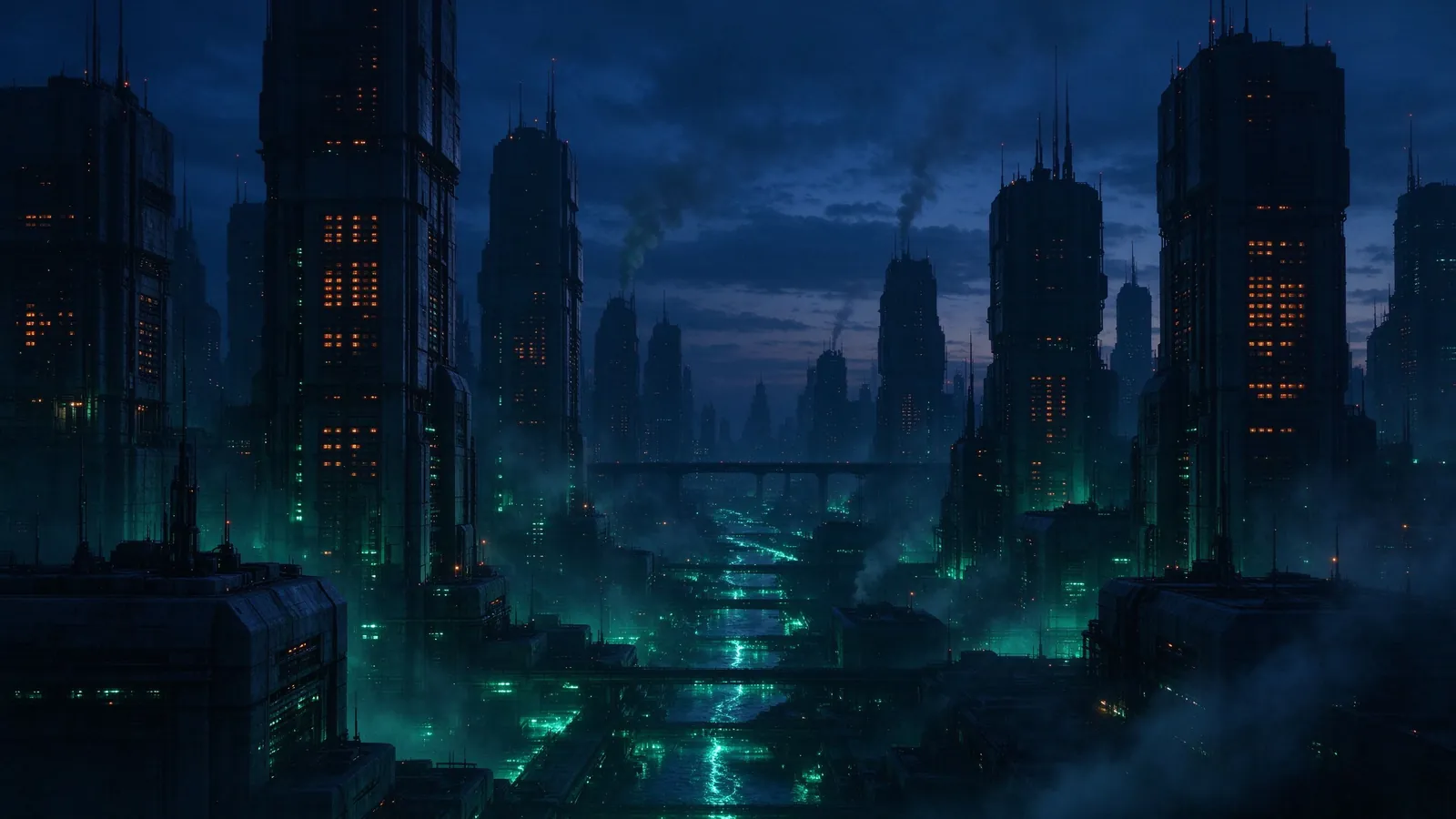
Midgar opens as a tight industrial city of reactor sites, occupied streets and a resistance cell, before the party leaves the walls for a wider world of desert towns, mountain passes, ancient forests and underwater travel. The ensemble rotates through party members and side objectives, while core relationships develop in scripted events that remain remembered for tone shifts between earnest humor and tragedy. Boss encounters range from mechanical guardians to summoned entities and emotional plot opponents, and optional superbosses demand deep materia tuning rather than story-level stats. The lineage from Square’s earlier 16-bit effort discussed in the Final Fantasy VI retrospective shows how character-driven storytelling, large casts and dramatic set pieces carried over to disc-based media, now with cinematic FMV and animated summons replacing sprite work.
What a modern replay runs into
Random encounters still interrupt field movement at short intervals, and battles move slowly compared with contemporary speed-tuned JRPGs: long summon animations, menu pauses and camera setups add minutes over a hundred fights. The low-resolution character models against painted backgrounds date the look, and some navigation relies on small markers or remembered routes rather than guided questing. The multidisc save flow involves swap prompts that emulators smooth out with image mounting, but the underlying design assumes long, uninterrupted sessions and manual save points rather than automatic checkpoints. Character balance favors certain combos, grinding remains useful for optional content, and some side objectives lack clear direction, which can frustrate players who expect modern objective trackers.
None of these issues erase the design value. The flexible materia loadout teaches players to build party roles through items rather than labels, the thematic plot stays emotionally direct, and the score’s city, theme and battle motifs remain recognizable decades later.
Verdict: a genre watershed worth studying
Final Fantasy VII defined a moment when console RPGs reached a larger mainstream audience through cinematic framing, an expressive battle economy and a cast built around contrast. Return for the materia customization, world structure and landmark score, and budget patience for random encounters, long animations and older navigation. As a design reference it shows how equipment-driven classes, ensemble storytelling and audiovisual mood can turn a standard turn-based framework into a lasting cultural point of reference.