Classic Arcade Games Every Retro Fan Should Know: MAME Must-Plays
MAME keeps dead arcade hardware alive by emulating original circuit boards one ROMset at a time. These classic cabinets belong on every retro fan’s first playlist.
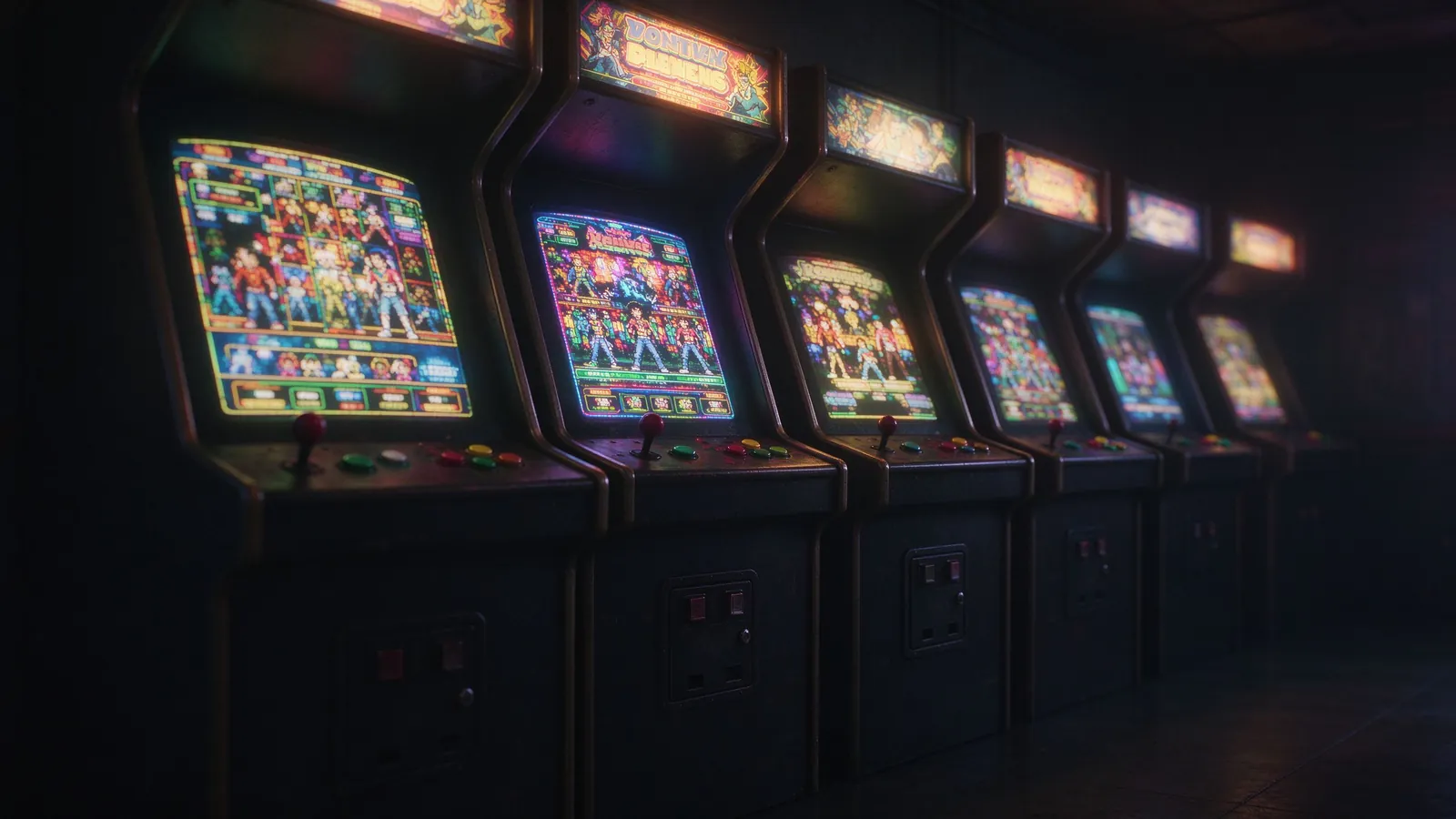
Arcade cabinets died off in homes decades ago, but the games themselves did not. MAME, the Multiple Arcade Machine Emulator, reproduces the original circuit boards so the software runs as it did in a 1980s mall or bowling alley. Many titles demand short credits and quick reactions, which makes them perfect for casual emulator sessions between longer RPG campaigns. This list covers genres that built the arcade age, plus a few practical notes on running them at home.
Space shooters and vertical scrollers
Space Invaders (1978) basically invented the video arcade age: descending aliens, bunker shields, and a haunting thump that sped up as invaders fell. Galaga (1981) refined it with tractor-beam rescue mechanics and formation diving patterns. Xevious (1982) layered ground targets under the scrolling sky, while 1942 brought WWII themes and bomb management to vertical scrolling. For modern play, MAME handles the original dip-switch difficulty settings; casual players should start on easy and climb once muscle memory appears.
Crowd-fighting and beat-em-ups
Street Fighter II (1991) launched the fighting game boom with special move motions and eight warriors. Marvel vs. Capcom style tag battles came later but share the same combative energy. On the belt-scrolling side, Final Fight and Streets of Rage arcade versions dropped players into gangs of thugs with knives and pipes, while Metal Slug turned run-and-gun into detailed cartoon mayhem with vehicular sections. Golden Axe blended fantasy magic with side-scrolling brawling, and Contra arcade cabinets remain the blueprint for tough cooperative shooters.
Platformers, mazes and simple classics
Pac-Man (1980) remains the most recognizable maze game ever made; the ghost AI patterns teach regular players strategy over speed. Donkey Kong (1981) gave jumpman his first appearance on construction girders, and Marble Madness turned an isometric marble course into a test of analog sensitivity. Puzzle fans should try Puzzle Bobble / Bust-a-Move for bubble aiming, while racing history belongs to Out Run, the sexy red Ferrari fantasy of 1986, and Daytona USA, whose nineties NASCAR cabinet style still feels iconic.
Running arcade ROMs in practice
MAME expects proper ROMsets that match its version; a modern release often cannot run a dump built for a five-year-old build. Cabinet sets sometimes include CHD hard-drive images for later CD-based games and sample or BIOS files the core loads before the title boots. Start with a recent MAME frontend, let it manage missing files, and load one title at a time rather than dumping thousands of folders at once. Controls map naturally: coin insert to a shoulder button, player start to another, and joystick direction to the d-pad or analog stick. Difficulty dip switches are accessible inside service menus; use them when a cabinet wall feels impossible on a first pass.
Why arcade play still matters for the hobby
Arcade games taught generations the core verbs of video design: dodge, shoot, jump, chain combos, chase a score. Console RPGs give you hours; arcade classics give you minutes that stick in memory. A living room emulator session can rotate through Pac-Man, Galaga and Metal Slug in under half an hour, and high-score chasing adds replay that story-driven games rarely offer. When you are ready to expand, MAME overlaps with home-compiler libraries already covered elsewhere on this site, from 16-bit action to modern console emulation guides.