Why Couch Local Multiplayer Defined a Generation of Retro Gaming
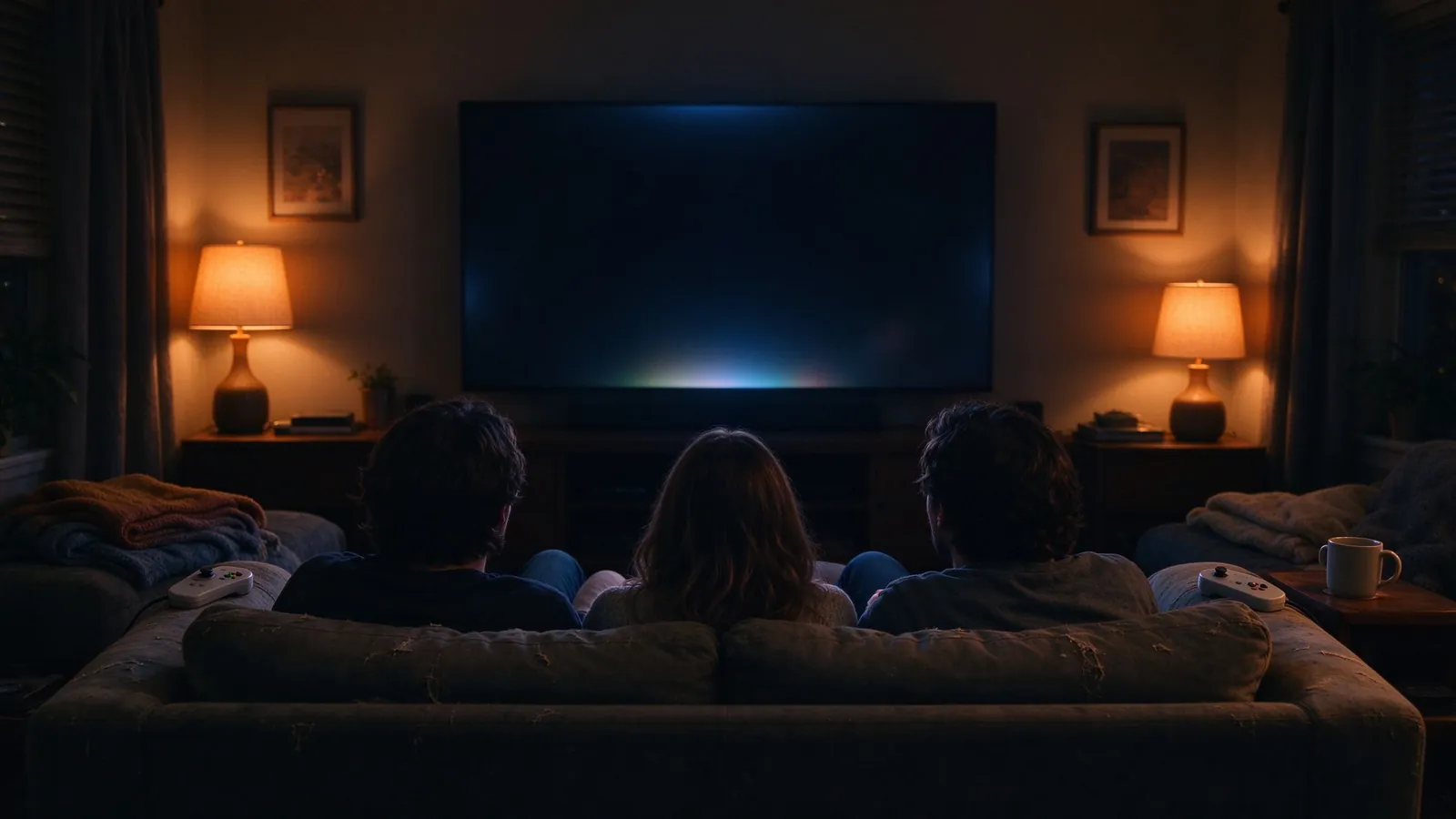
Why couch local multiplayer defined a generation of retro gaming: shared consoles, split screens, cooperative beat-em-ups and party games, plus the social habits that online play changed but did not erase.
Before online matchmaking became standard, most console social play happened in one room: a television, a sofa, extra controllers passed between players, and a single machine hosting every participant. Local multiplayer ranged from two-player cooperative campaigns to four-player split-screen arenas and turn-by-turn party minigames, and the genre breadth shaped how a generation chose hardware, parties and weekend plans. This feature examines the design reasons local play thrived on retro consoles, the social mechanics that made it memorable, and what modern players can still recreate through emulators, party compilations and nearby-co-op titles.
How local modes fit each console
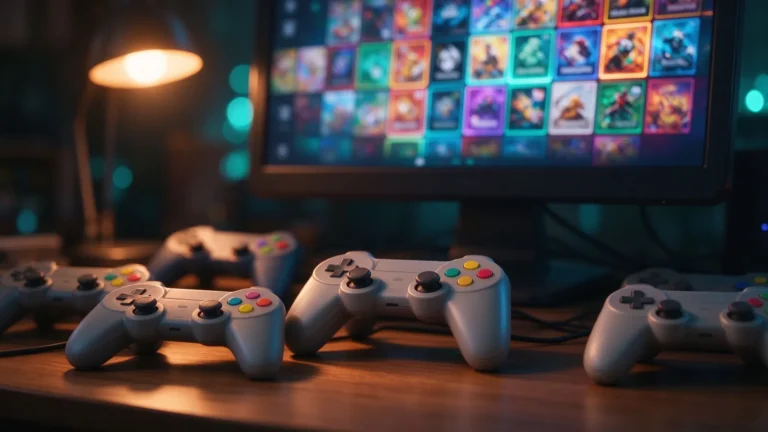
Early cartridges offered two simultaneous players by sharing one screen: side-scrolling beat-em-ups ran characters on the same horizontal plane, sports games split short play areas, and racing titles used a synchronized shared display rather than separate cameras. As cartridge capacity grew, four controllers became common, and split-screen arenas gave each player a private view in first-person shooters and kart racers, while versus fighters kept everyone on one shared board to read each other’s movement instantly. Cooperative design rewarded covering a partner, swapping items, reviving fallen characters and planning routes together; competitive versus design rewarded reading body language, taunts and sudden reversals in the room. Co-op traditions surveyed in the two-player co-op feature trace this legacy from arcade cabinets to home consoles, where one player could join mid-session without an account, download or matchmaking wait.
Later Nintendo 64-era libraries popularized shared-couch party play with multiplayer arenas and split-screen races; titles catalogued in the Nintendo 64 multiplayer list leaned into visual noise, item counters and simple rules so every newcomer understood the current chaos within seconds. Local party games traded depth for immediate pickup: minigames started after a short rules blurb, controllers passed between rounds, and winners bragged from the same seat rather than behind a voice headset.
The social layer that screen rendering could not show
Local play compressed communication into gestures: pointing at the screen, calling a warning, passing a controller, reacting to a partner miss, and celebrating a round win before the next countdown. There was no online latency argument, no invisible teammate, and every drop-in opponent was physically present, which made learning friendly and friendly competition intense. Selection habits also differed: families chose turn-based party games, friends chose fighters and sports, and weekend groups rotated through short competitive rounds between meals. Saving was less centralized; high scores, wins and friendly losses lived in memory cards or player recollections, giving each group a personal history with the same title. Emulator speed options and save states shortened repeated unlock grinds, but the social core came from people sharing one view.
Tradeoffs of local-only design
The limits were real: additional controllers cost money, certain modes stopped being playable when one friend left the room, split-screen reduced the visible area per player, and battery or memory constraints capped how many humans a title supported. Long campaigns demanded schedules that matched nearby friends, and library purchases aimed at solo enjoyment risked gathering dust if nobody came over. The shift to online play removed the hardware sharing bottleneck but changed the atmosphere: voice chat and lobbies expanded reach while reducing off-screen banter, and many modern local remasters and compilations now support online alongside offline modes to keep the room feel optional.
Keeping couch play alive today
Modern groups still recreate the format through legacy consoles, emulators with multiple-input controllers, arcade-style compilations and minimalist indie party games designed for a single screen. Setup tips matter more than graphics: a neutral wide display, comfortable seating, spare cables or wireless adapters, short rounds that let late joiners enter, and rules agreed before the first match. The retro lesson survives: a strong local game must read instantly, forgive small input delays, balance newcomers against experienced players, and produce a moment worth talking about after the screen goes dark. Online connections extend reach, but the shared room remains the social origin of most classic multiplayer design worth revisiting.