Retro Emulation Scene Roundup: Frontends, Translations and Community Projects in 2026
A 2026 retro emulation scene roundup: frontend and library managers, active fan translations, community preservation projects and homebrew releases, framed as categories rather than unverified release claims.
The retro emulation community keeps active even when no major platform news cycle runs: interface tools mature, translation patches advance through testing, homebrew titles appear for old systems, and preservation scripts improve how libraries are scanned and organized. This roundup describes common project types shaping the scene in 2026 and points readers to stable source categories, without inventing specific version announcements, download numbers or release dates that depend on individual project pages. Treat the list as a map of where useful community work happens, then verify any current build against its own project channel before downloading or patching.
Frontends and library management
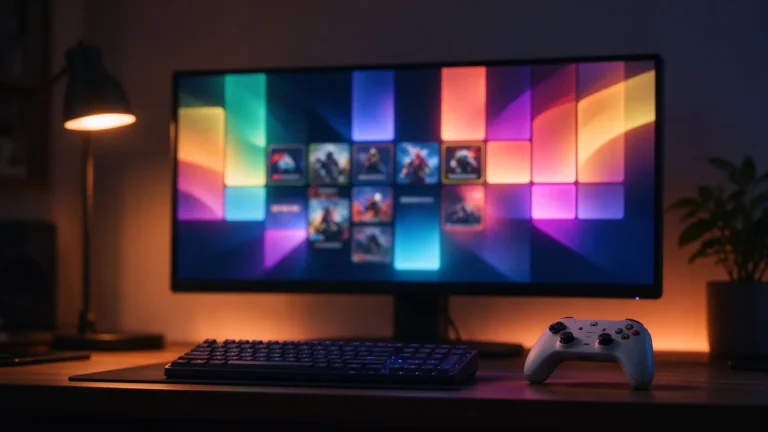
Standalone launcher frontends organize cores, game art, playlists and metadata into one browsing surface, replacing a folder of files with a clean menu that shows titles by system, collection or last-played slot. Development effort across this category typically focuses on theme consistency, artwork scraping from the user’s own images, controller navigation, per-system settings groups and quick switching between emulator cores that share the same file. Library-management tools help deduplicate dumps, name files according to community naming conventions, attach cover art and group save states and screenshots under one title record. Tidy-collection practices referenced in the fan translation and hack developments hub start from organized folders, because poorly named files make patching, testing and netplay sharing error-prone; whatever frontend a player picks, stable folder structure and clear save separation remain the underlying habit.
Some users prefer lightweight text lists, others graphical carousel layouts for living-room devices; the right choice depends on controller type and screen size rather than the most fashionable skin. Community theme packs and art-set projects change the appearance heavily, while the emulator engine underneath stays separate, so a visual overhaul rarely fixes core compatibility issues and should not replace testing a game before a long session.
Translations, patches and hack projects in progress
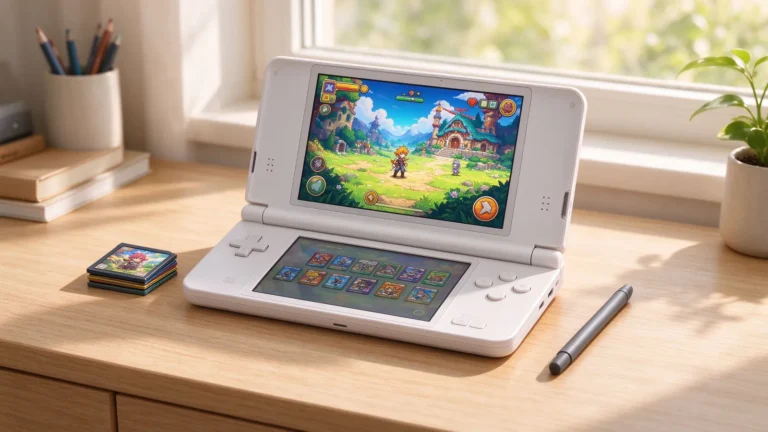
Fan translation work continues mainly on titles that never received an official English or other language release, especially older Japanese role-playing games, adventures and visually driven strategy titles. A typical patch overlays translated dialogue, item names, menus and corrected script graphics onto a specific base dump the player owns, and project pages track which base revision the patch targets, known bugs and recommended emulator core. Translation teams often run long public testing cycles, polish menus and operate without corporate funding, so progress reports describe roadmap stages rather than fixed launch promises. The curated overview in the ROM hack and translation shortlist groups common flavors: balance tweaks, quality-of-life speed improvements, restored graphics, full scenario edits and script translations, each useful on a different well-loved title rather than competing as a replacement for the commercial game.
Stability rules keep hobby work reliable: apply a patch to a working copy, keep the clean dump untouched, note the patch version and emulator core in a small notes file per project, and back up native save data before testing a new revision. Patches in active development may contain rough corners, so a finished status should come from the project page itself rather than assumption.
Homebrew, ports and preservation tooling
Community homebrew covers original games, small clones, demo-style experiments and utility tools built directly for target systems or emulators. These projects publish from author pages and demo-scene releases, usually under a stated free license, and they expand what a hardware emulator can run without touching commercial titles. Preservation side projects include save-file converters between memory-card formats, cheat databases maintained by community contributors, shader preset collections for display warmth and CRT approximation, and scripts that organize artwork or verify file integrity. Emulator development itself remains volunteer-driven, with improvements in controller support, save-state compatibility, speed options and display scaling; the exact list of supported systems shifts with each core update, so readers should read release notes on current versions before assuming a specific compatibility claim.
How to follow the scene without chasing clutter
A sensible reading rhythm favors category over hype: pick one translation you would actually finish, try one homebrew title per favorite system, keep the frontend tuned before adding another emulator, and check changelogs instead of short social clips that misrepresent compatibility. Group related files under the same game folder, keep clean dumps and patched versions apart, and follow author channels that document sources and licenses. The scene’s lasting value comes from modest, well-maintained projects that keep old hardware usable, titles playable in the reader’s language, and local collections organized, rather than from speculative announcements or large bundled downloads.