Top PS1 Horror Games Beyond Resident Evil and Silent Hill
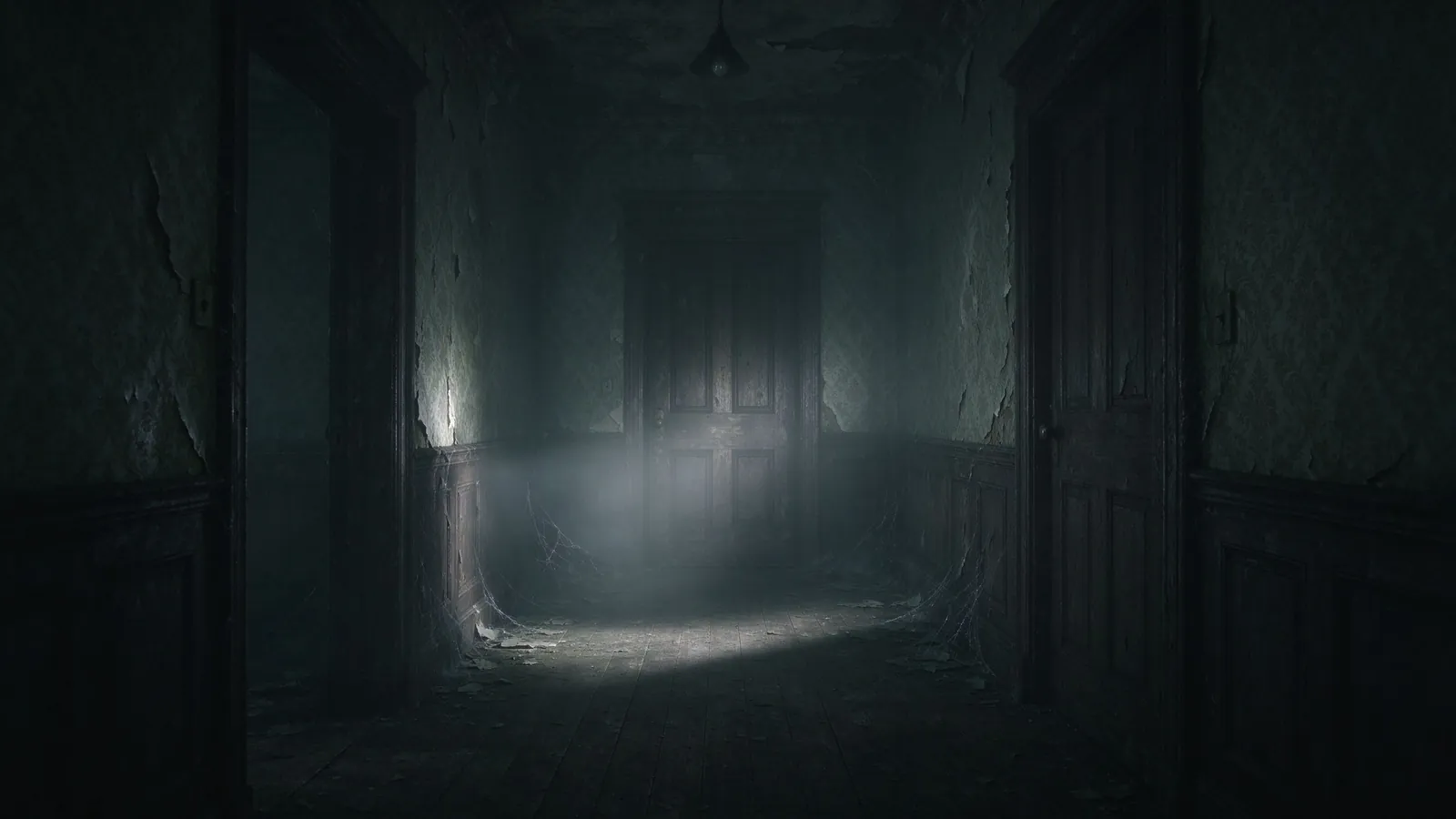
Beyond Resident Evil and Silent Hill, the PS1 still hides tense survival horror classics with limited ammo, fixed cameras, and strange stories worth a late night.
The PlayStation horror library gets dominated by two franchises, and that keeps a handful of ps1 horror games from getting the attention they deserve. Early survival horror on the platform relied on tank controls, pre-rendered backgrounds, limited inventories, and sound design that sold dread without expensive graphics. Emulators like DuckStation run most of these titles steadily, and widescreen or texture upscaling options help the older visuals feel less punishing today. The picks below skip the famous umbrella corporation and foggy town entries in favor of creature hunts, gothic monsters, psychological oddities, and cult favorites. Play them in dim rooms, with headphones, and expect old-school puzzle solving alongside the scares.
Creature threats and near-mainline horror
1. Dino Crisis (1999). Capcom’s dino-themed survival horror with real-time exploration, dinosaur chases, and weapon upgrades. The raptors hunt with unexpected speed, and item management between locked rooms keeps tension high. It borrows Resident Evil structure but swaps zombies for fast predators.
2. Parasite Eve (1998). A fusion of RPG and survival horror set in New York City, with Active Time Battle pauses, weapon customization, and mutated mitochondria enemies. Atmospheric cutscenes and eerie music carry a story that blends biology and urban legend.
3. Parasite Eve II (1999). More conventional survival horror with pre-rendered backgrounds, puzzle doors, and bigger environments. The inventory system and dodge-heavy fights feel closer to classic RE, while the story continues Aya Brea’s hunt for mutated creatures.
4. Koudelka (1999). A gothic RPG set inside a haunted monastery with tactical grid battles overlaid on exploration. Slow turn-based fights, eerie chapel corridors, and a mature story about ghosts and family sin make it the moodiest pick in this list.
Cult favorites and atmospheric oddities
5. Clock Tower (1997 North American release). Pursuit horror starring Jennifer, a girl hunted by Scissorman across a mansion. Almost no combat; survival means running, hiding, and quick-time-style reactions during close calls. It defined the chase horror template long before recent indie games.
6. Fear Effect (1999). Cel-shaded cinematic action with mercenary protagonists, rotating camera angles, and scripted set pieces. Gunplay mixes with climbing and quick events, and the cyberpunk-Chinese setting stands apart from typical haunted houses.
7. Fear Effect 2: Retro Helix (2001). Prequel with deeper gunplay, four playable characters, and puzzle-heavy levels through ancient temples and frozen ruins. Control quirks show the age, but the art direction and cutscene energy still impress.
8. Vampire Hunter D (2000 North American release). Anime-style gothic action based on the novels, set inside a monster-filled castle. Real-time sword combat, sub-weapons, and boss duels give it more action than puzzle-heavy survival horror peers.
Obscure dread for dedicated horror fans
9. Nightmare Creatures (1997). Werewolf and cult horror roaming 1890s London with two characters, stamina meters, and daylight-to-darkness city blocks. Clunky by modern standards, but the monster variety and gothic streets make it a forgotten alternative.
10. Galerians (2000 North American release). Psychic survival horror about a boy with drug-triggered powers escaping a lab complex. No conventional weapons; strength comes from limited pills and environmental tricks, and the clinical white corridors carry an uncanny dreamlike tone.
11. Alone in the Dark: The New Nightmare (2001). The fourth entry in the classic PC series, rebuilt for console with flashlight ranges, shadow monsters, and island mansion exploration. Ammo scarcity and light-as-weapon pressure still influence modern horror design.
Playing the deep horror catalog
Start with Dino Crisis and Parasite Eve if you want accessible action; move to Clock Tower and Galerians when you are ready for slower, puzzle-heavy dread. Use emulator save states generously at door transitions, since older loading times and tank controls can punish careless restarts. Keep headphone volume high—directional audio sells the chasing enemies far better than any texture upgrade. For broader PlayStation recommendations beyond the horror shelf, our roundup of 10 classic PS1 games that still hold up covers cross-genre essentials worth pairing with a long scary evening. Save the atmosphere pieces for nights when no roommates will laugh at you, and keep a fresh memory card file before each new playthrough.