
Panzer Dragoon Saturn: Rail Shooter Design That Still Works
Panzer Dragoon Saturn still works as an on-rails shooter, with 360-degree lock-on fire, dragon upgrades and short stages built for chasing a better score.
Panzer Dragoon Saturn still works as an on-rails shooter, with 360-degree lock-on fire, dragon upgrades and short stages built for chasing a better score.
Suikoden II on PS1 still has a following for its 108 Stars of Destiny, growing castle, dual leads and war battles, even where the 1998 script and slow opening drag.
Sonic 3 and Knuckles is the complete Mega Drive platformer, with lock-on play, Knuckles routes, elemental shields and zone transitions Sonic 2 never had.
Super Mario World level design still teaches cleanly, using the Cape Feather, Yoshi, secret exits and Star Road to show how the 1990 SNES game avoids tutorials.
Castlevania Symphony of the Night on PS1 still rewards a replay for its inverted castle and RPG builds, though the 1997 dub and difficulty curve show their age.
A 2026 retro emulation scene roundup: launcher frontends and library managers, ongoing fan translations, community patches, homebrew and preservation tooling.
Classic DOS strategy and adventure games for modern PCs: Command and Conquer, X-COM, Civilization II, Monkey Island 2, and Alone in the Dark in DOSBox.
A legal baseline for retro emulation: personal dumps of owned media, public-domain and free games, homebrew, official re-releases, plus safe collection habits.
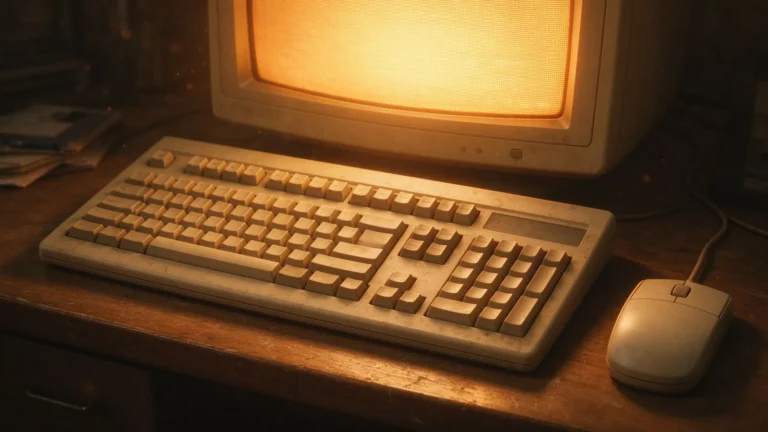
Set up DOS and Windows 9x emulation on Windows for keyboard and mouse classics: virtual drives, cycle presets, mouse capture, sensitivity and guest-image backups.
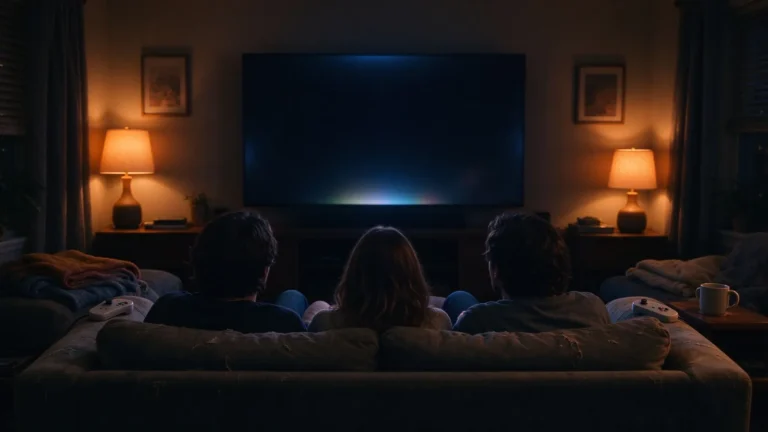
Why couch local multiplayer defined a generation of retro gaming: shared screens, split-screen arenas, co-op campaigns, party minigames and the social room behind them.

Metroid Prime revisited on the GameCube in 2002: how Retro Studios turned Samus Aran into a first-person exploration adventure on Tallon IV, and what still works today.
How pixel art and sprite palettes evolved across retro consoles: early chip limits, 16-bit color and rotation tricks, and the emulation-era revival of chunky visuals.