Top NES RPGs and Adventure Games Worth Playing Today
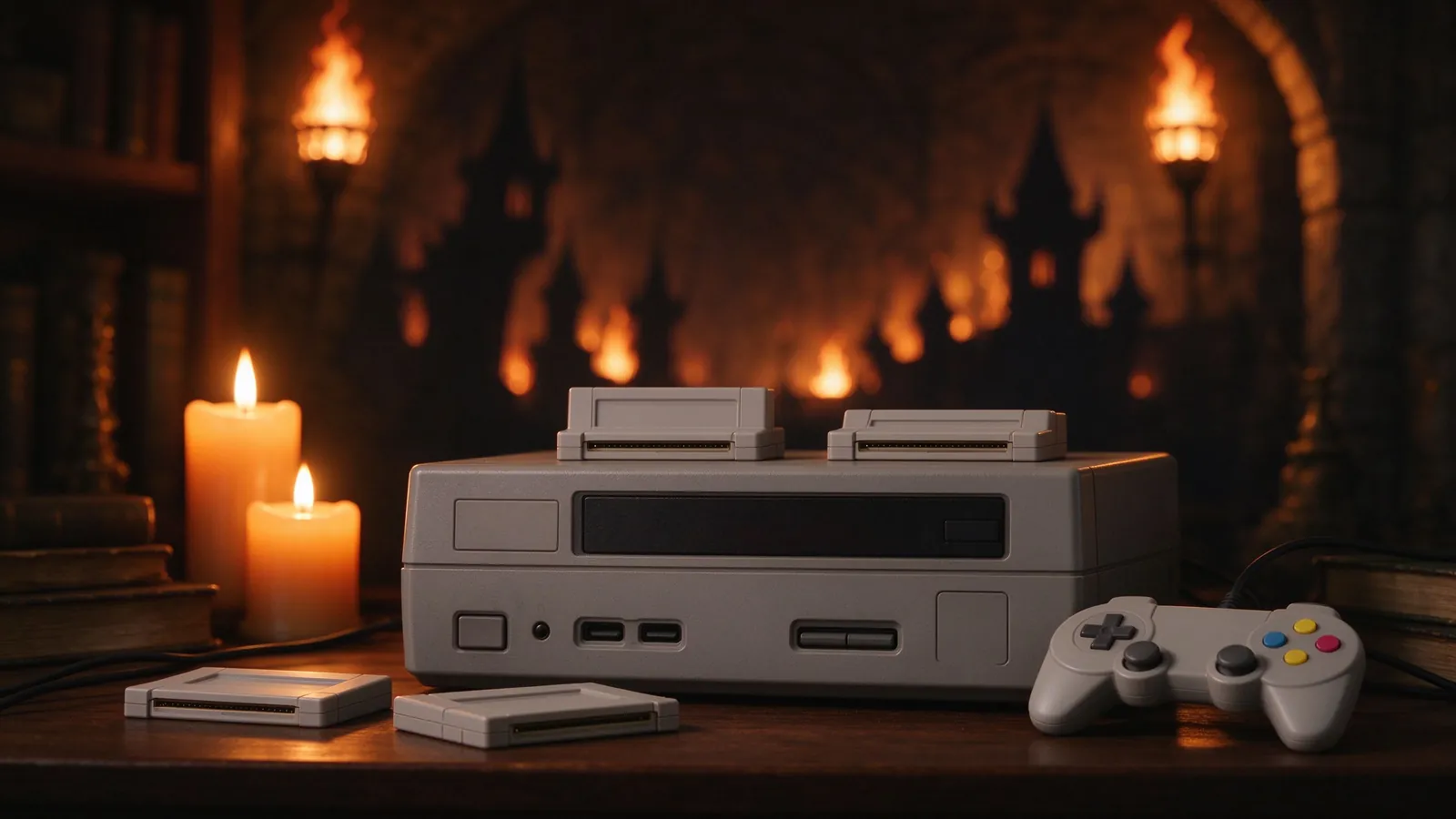
The original NES did not receive the same RPG hype as later consoles, but its library still holds turn-based quests and exploration adventures worth a playthrough on an emulator.
The Nintendo Entertainment System skewed toward platformers and action games, yet its back catalog includes a respectable run of role-playing quests and story-driven adventures. Battery-backed saves and password systems made slow progress feel rewarding in the 1980s, and emulators remove the battery-save anxiety while adding save states for brutal dungeons. These picks mix turn-based RPGs, action adventures and exploration-heavy titles that still play well on a laptop or a handheld emulator. Keep to carts you own, homebrew and official re-releases.
Turn-based RPGs and top-down quests
1. Final Fantasy (1990, North America). Square’s debut brought class selection, four-person parties, crystal dungeons and a sprawling overworld to the NES. Job choices such as Warrior, Thief, White Mage and Black Mage shape the whole run, and the simple turn loop still reads clearly today.
2. Dragon Warrior IV (1992, North America; Dragon Quest IV in Japan, 1990). Enix broke the adventure into chapters that follow five separate characters before they unite. Small town stories, daily NPC routines and the famous monster mansion give early JRPG writing a human scale that later sequels kept building on.
3. Crystalis (1990). SNK’s post-apocalyptic sword-and-power-stick action RPG pairs real-time combat with elemental sword abilities and a wide world map. Collecting tablets, learning spells and rewinding the world’s story make it one of the most approachable action RPGs on the system.
4. Faxanadu (1987 Japan; 1989 North America). A side-scrolling spinoff of the Xanadu series built around a giant tree connecting towns and towers. Equipment shops, a spell list, falling stone bridges and hidden chambers give the short adventure more RPG depth than its simple sprite look suggests.
5. The Battle of Olympus (1989). An Orion mythological side-scroller where a hero named Orpheus searches the Greek countryside for his love. Sword upgrades, olive branch hearts, Acropolis shrines and god bosses give it a deliberate dungeon-crawl rhythm inside platforming levels.
Exploration adventures with RPG bones
6. The Legend of Zelda (1987, North America). Nintendo’s open overworld, eight dungeons, heart containers and hidden screen secrets set the model for exploration games. The password system replaced by emulator save states makes backtracking less tedious, and the loop of buy, equip, unlock and return still works.
7. Zelda II: The Adventure of Link (1988, North America). The odd hybrid of the series: side-scrolling towns and dungeons connected by a top-down overworld, with experience levels, magic spells and magic containers. It is harder and stranger than the first game, but the town-to-temple flow rewards patience.
8. Metroid (1987, North America). Nintendo’s planetary exploration template pairs maze-like caverns with missiles, the Ice Beam, Screw Attack and energy tanks. The simple password rooms are easier on an emulator, and the compact map hides more sequence breaks than most first-time players notice.
9. Kid Icarus (1987, North America). Pit the angel climbs upward-scrolling caverns, crosses horizontal fortresses and visits a hub town where feathers, health and magic coins buy upgrades. Reused rooms with different themes and escalating enemies give it a deliberate grind-lite RPG structure.
10. Castlevania II: Simon’s Quest (1988). A gothic adventure with RPG-style hearts, level ups, day-night cycles and town NPC clues about cursed mansions. The whip upgrades and crystal items unlock new zones, making it a clear precursor to the Gothic-metroidvania design of later Symphony titles.
11. Startropics (1990). Natsume’s original island adventure blends a tile-based overworld map with dungeon puzzles, water-town mysteries and enemy gauntlets. The game’s famous booklet water clue is trivial to look up on modern guides, but the dungeon design remains smartly built for short sessions.
12. Willow (1989). Capcom’s film adaptation swaps between Willow’s magic attacks and Madmartigan’s sword strikes, with level-ups, gold, shop purchases and a mix of side-scrolling stages and village screens. The compact RPG loop and charming bosses make it a solid licensed title rather than a quick cash-in.
NES emulators like FCEUX handle the 8-bit palette well; use save states before locked-door dungeons and a four-way pad for the games that demand tight movement. For console setup basics, read our NES emulator beginner guide, then compare the platforming side of the library in our NES platformer rankings. After finishing these quests, you can graduate to the longer catalog covered in the SNES RPG list.